3 hr
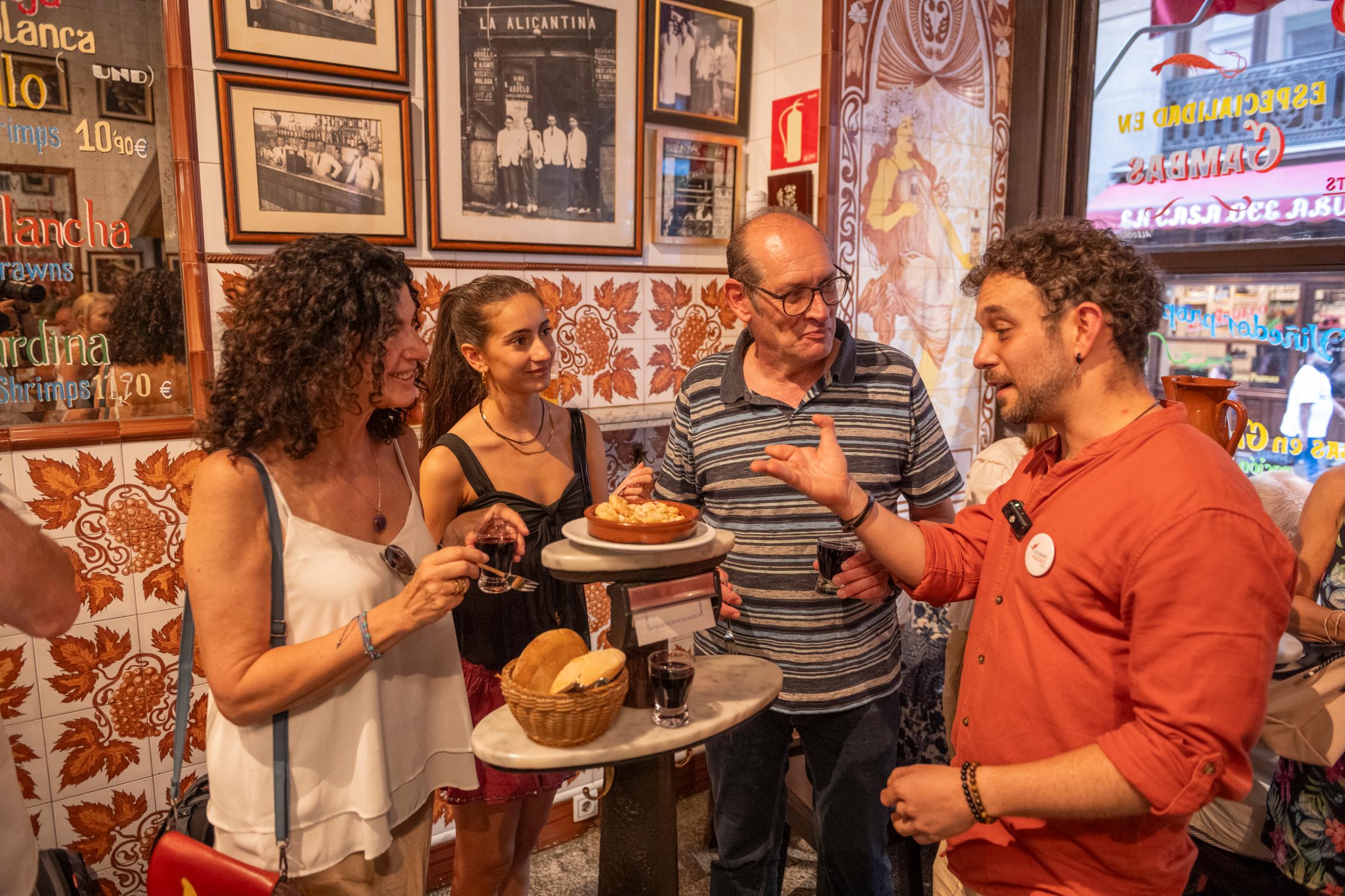
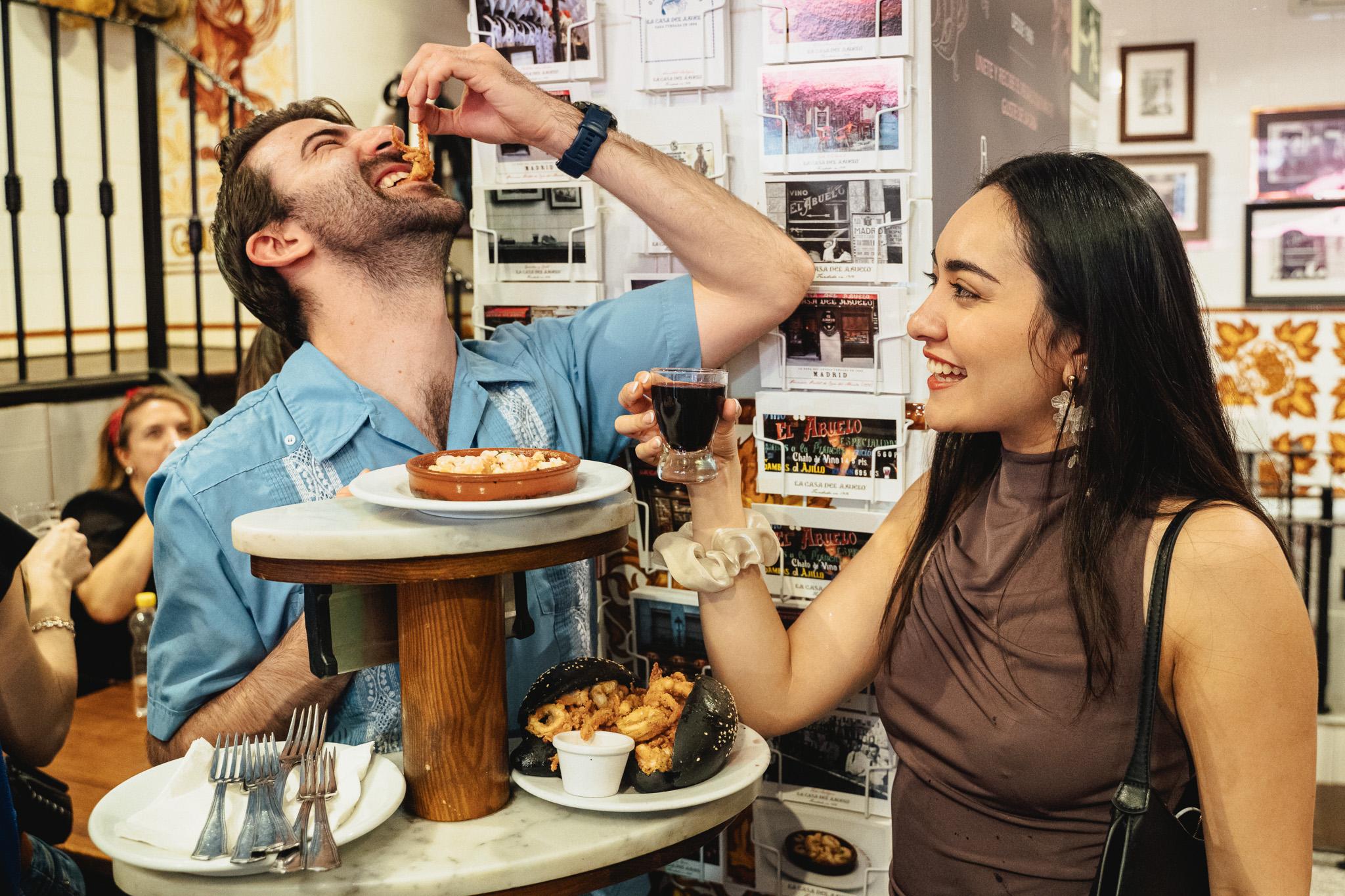
Madrid Tapas & Wine Tasting Walking Tour
- Expert local guide
- Small group
- Skip-the-line access
- Free cancellation
Madrid Wine Tasting — City-Center Experiences & Vineyard Tours
Centuries of Spanish viticulture, poured in the capital's historic quarters
Compare fares, pick the fit — all bookings are mobile-voucher and eligible for free cancellation where shown.
3 hr
6 hr
8 hr
Exploring the diverse terroirs of the region through a madrid wine tasting offers a unique insight into local Garnacha and Tempranillo varieties. Visitors can choose between structured facility-based sessions or immersive countryside excursions to satisfy their interest in these renowned Spanish landmarks.
| City Center Tasting Countryside Tour | Vineyard Experience Guided Excursion | |
|---|---|---|
| Duration | 60 minutes | 6 hours |
| Included Wines | 4 selections | 6+ wines |
| Transport Included | — | Yes (Madrid Pickup) |
| Access Method | Individual booking | Scheduled tour |
| Best for | Budget/Quick visit | First-timers/Full-day immersion |
Verdict: For the most comprehensive madrid wine tasting tours, the countryside excursion is ideal, whereas the city center option provides a convenient alternative for a shorter visit.
Worth it for tapas lovers and casual wine explorers
Madrid wine tasting delivers solid value when you stick to city-center experiences that pair local wines with tapas crawls. Walking tours through neighborhoods like La Latina or Malasaña typically run €60–90 for three hours, covering four to six stops with wine samples and small plates—essentially dinner with education built in. The D.O. Vinos de Madrid office itself charges no general admission, though structured tastings require individual booking fees. Day trips to nearby vineyards in the Comunidad de Madrid often hit €100–140 including transport and winery visits, which makes sense if you want countryside scenery and cellar tours. The format works best for social drinkers who value the food pairing and neighborhood atmosphere over deep oenological study—Ribera del Duero or Rioja offer more prestige if you're chasing big-name appellations. Madrid wine tasting tours are most rewarding when you treat them as cultural immersion rather than pure wine education.
Bottom line: Book the city tapas-and-wine walks for atmosphere and value; skip the pricey day trips unless you specifically want countryside vineyard scenery.
Urban venues offer immediate access to regional labels, while regional tours provide a deeper look at the terroir and viticulture; most visitors find the city experience more convenient for a madrid wine tasting.
|
Top pick City Wine Bars |
Regional Vineyard Tours | |
|---|---|---|
| Travel Time | 0 minutes (city center) | 60–90 minutes each way |
| Atmosphere | Sophisticated urban social hub | Immersive rural landscape |
| Depth of Production Knowledge | Moderate focus on pairing | High focus on vinification |
| Variety of Producers | Broad selection from D.O. Madrid | Limited to specific estate production |
| Convenience | High accessibility for madrid wine tasting tickets | Requires advance planning and logistics |
| Local Experience | Tapas and wine tasting tours | Direct farm-to-glass discovery |
| See tickets & prices |
Verdict: Choose city-center madrid wine tasting tours for flexible scheduling and tapas, or opt for regional vineyards if you prefer an immersive encounter with the Vinos de Madrid D.O. landscape.
Hand-picked experiences loved by thousands of travelers
11 hours
Free Cancellation
Discover award-winning wines across three distinct estates in Spain's legendary Ribera del Duero region
3 hours 30 minutes
Free Cancellation
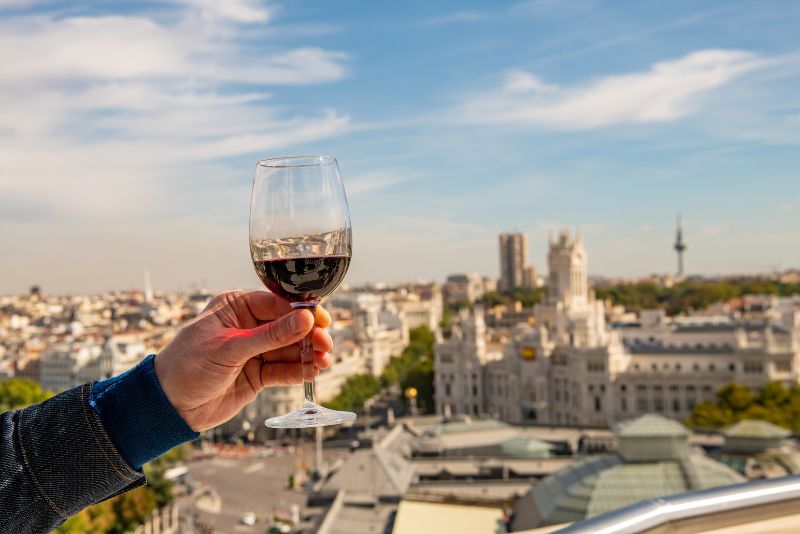
Discover authentic Madrid through its flavors on a guided tasting journey ending at a scenic rooftop.
2 hours 30 minutes
Free Cancellation
Discover Madrid's culinary soul through five handpicked eateries with a local guide and fellow food enthusiasts.
8 hours
Free Cancellation
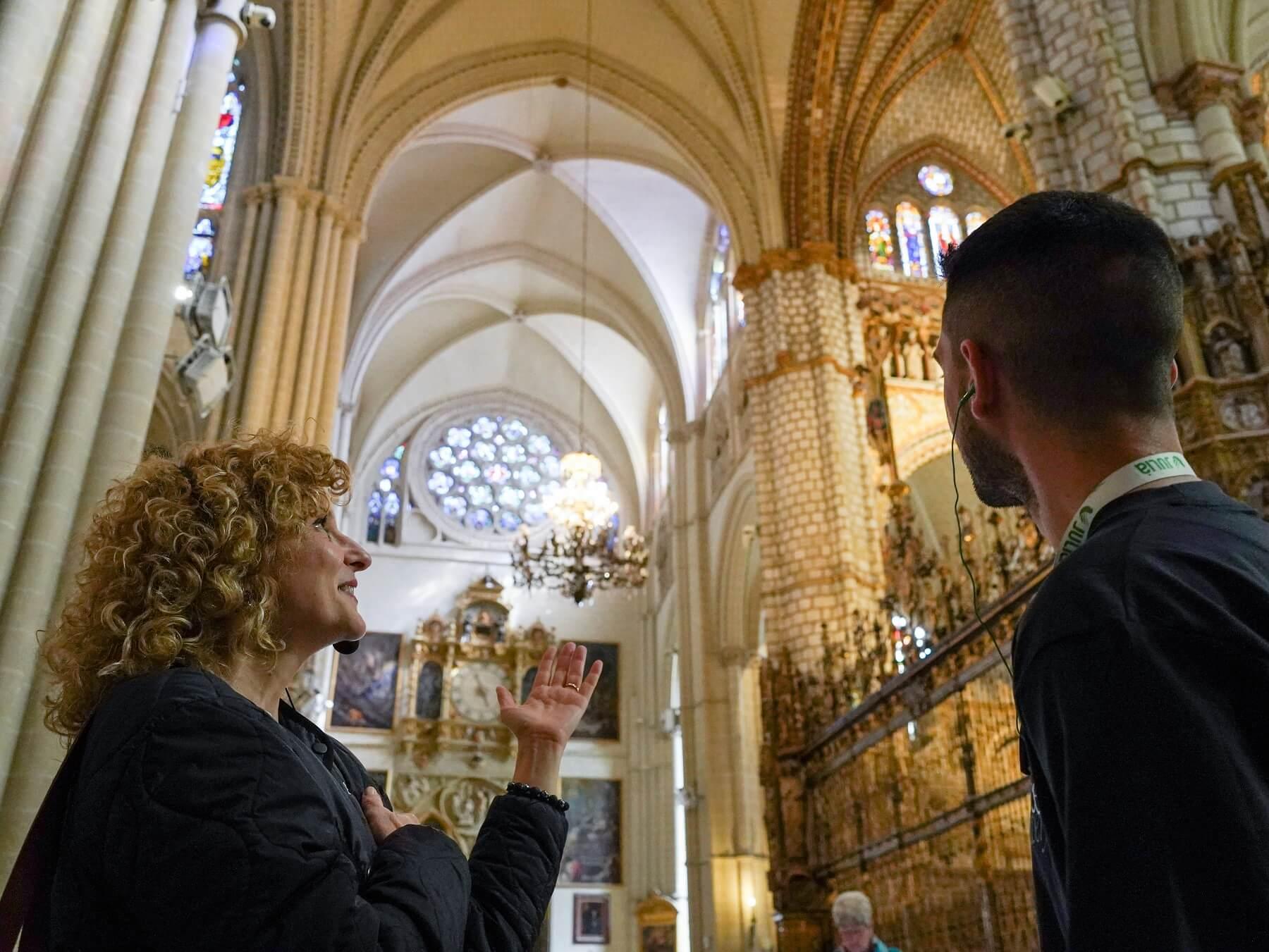
Discover medieval Toledo's UNESCO treasures and savor regional wines at a historic estate
1 hour
Free Cancellation
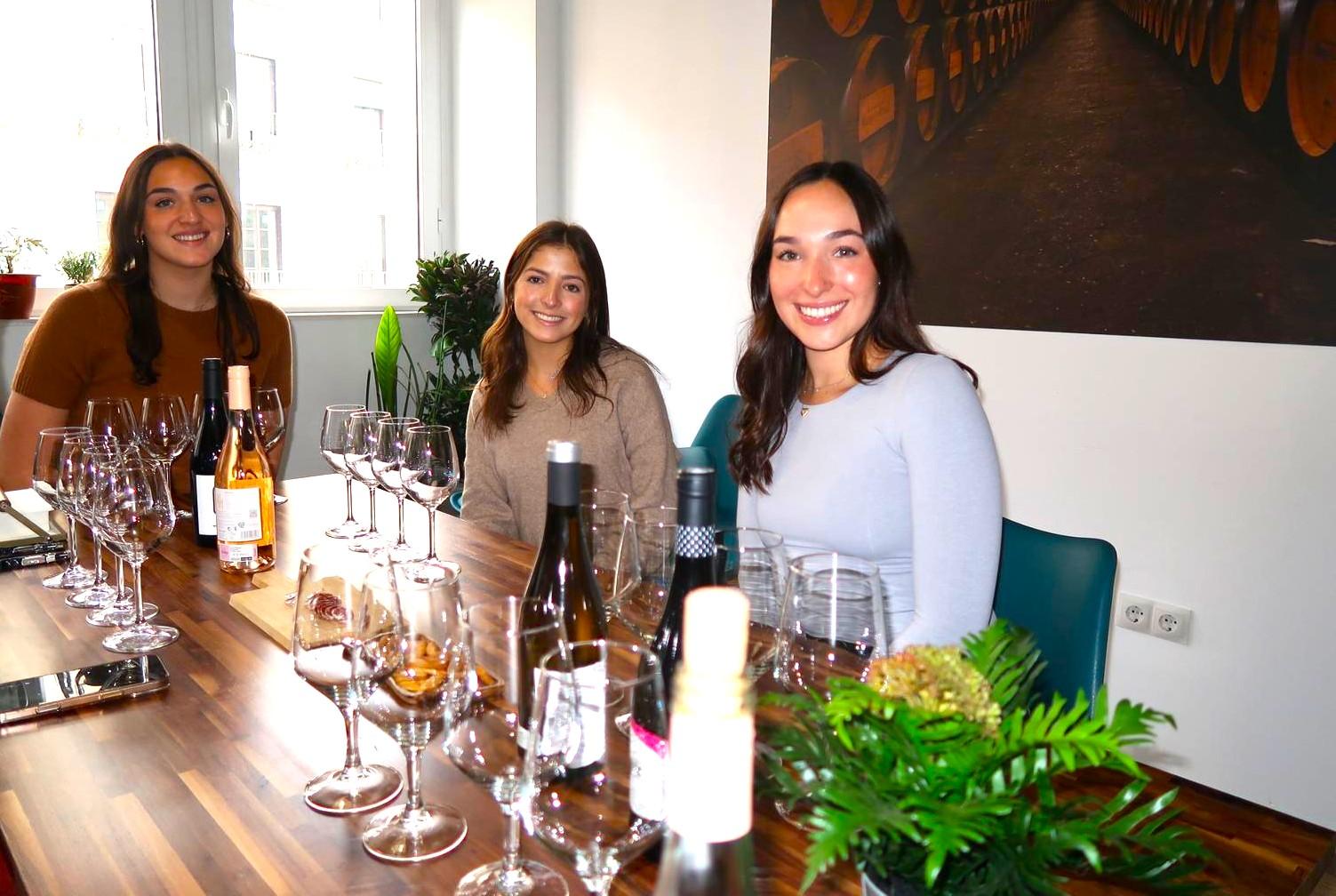
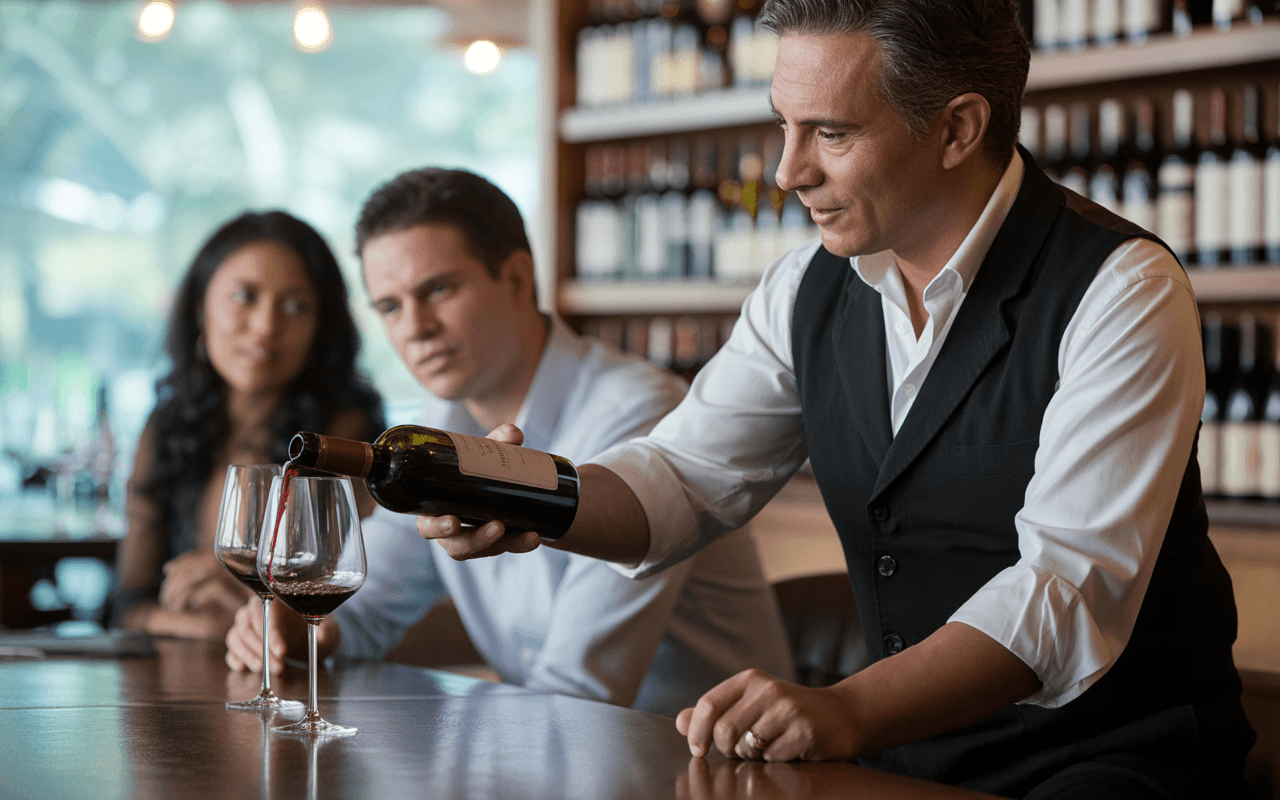
Sample four regional Spanish wines guided by a seasoned sommelier in a private venue near Sol
5 hours
Free Cancellation
Half-day countryside escape to a boutique winery with sommelier-led tastings and transport included
6 hours
Free Cancellation
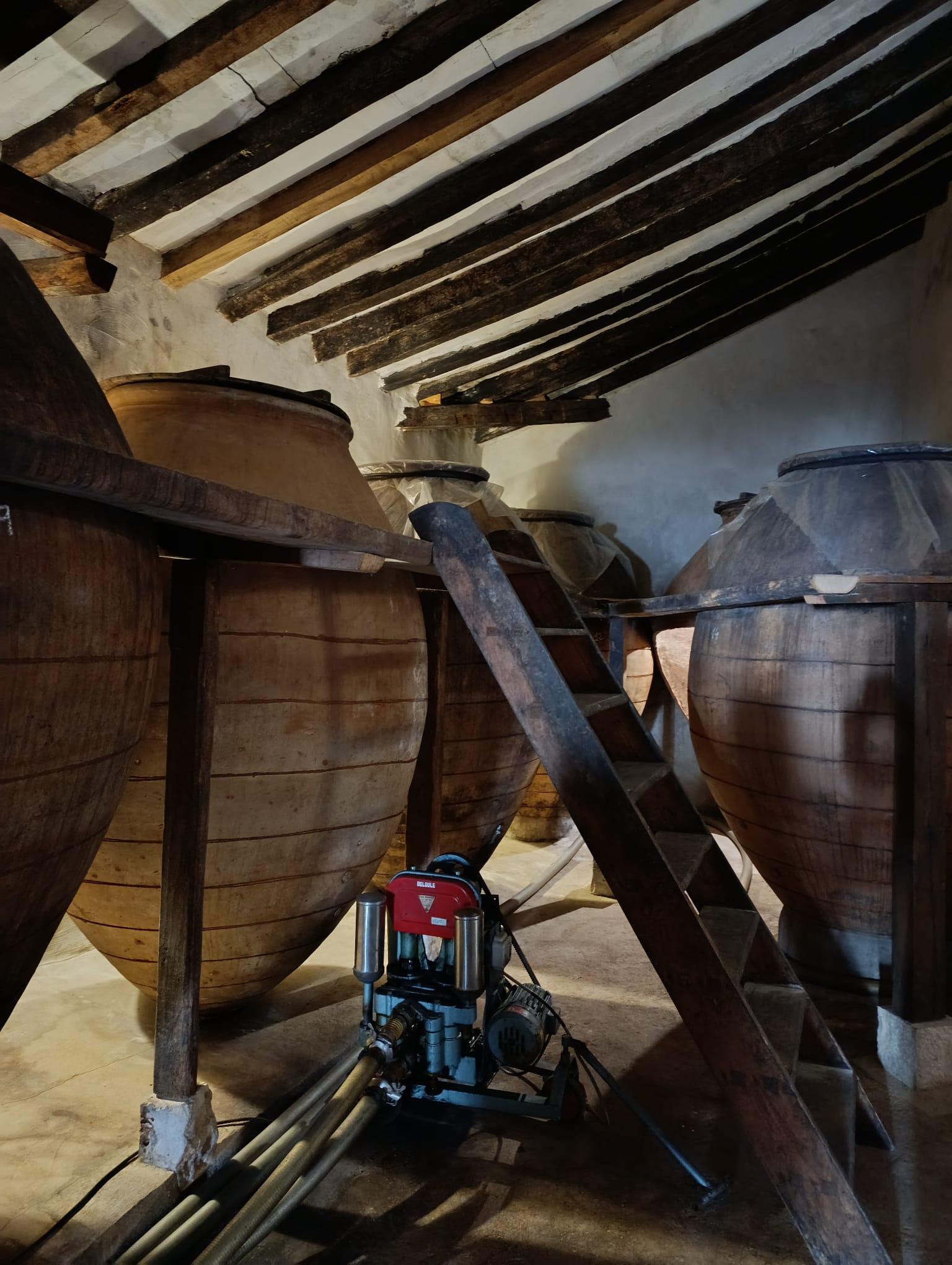
Discover family-run wineries and medieval villages in the scenic countryside just beyond Madrid
45 minutes
Free Cancellation
Sample premium Spanish wines on a scenic terrace overlooking one of Madrid's most beautiful parks
Check in at Vinos de Madrid D.O. office
Learn about the D.O. region history
Sample local wines in urban bars
Q&A and souvenir wine purchase
Features a curated selection of local D.O. wines for guided flights. This space highlights 50 different regional labels periodically.
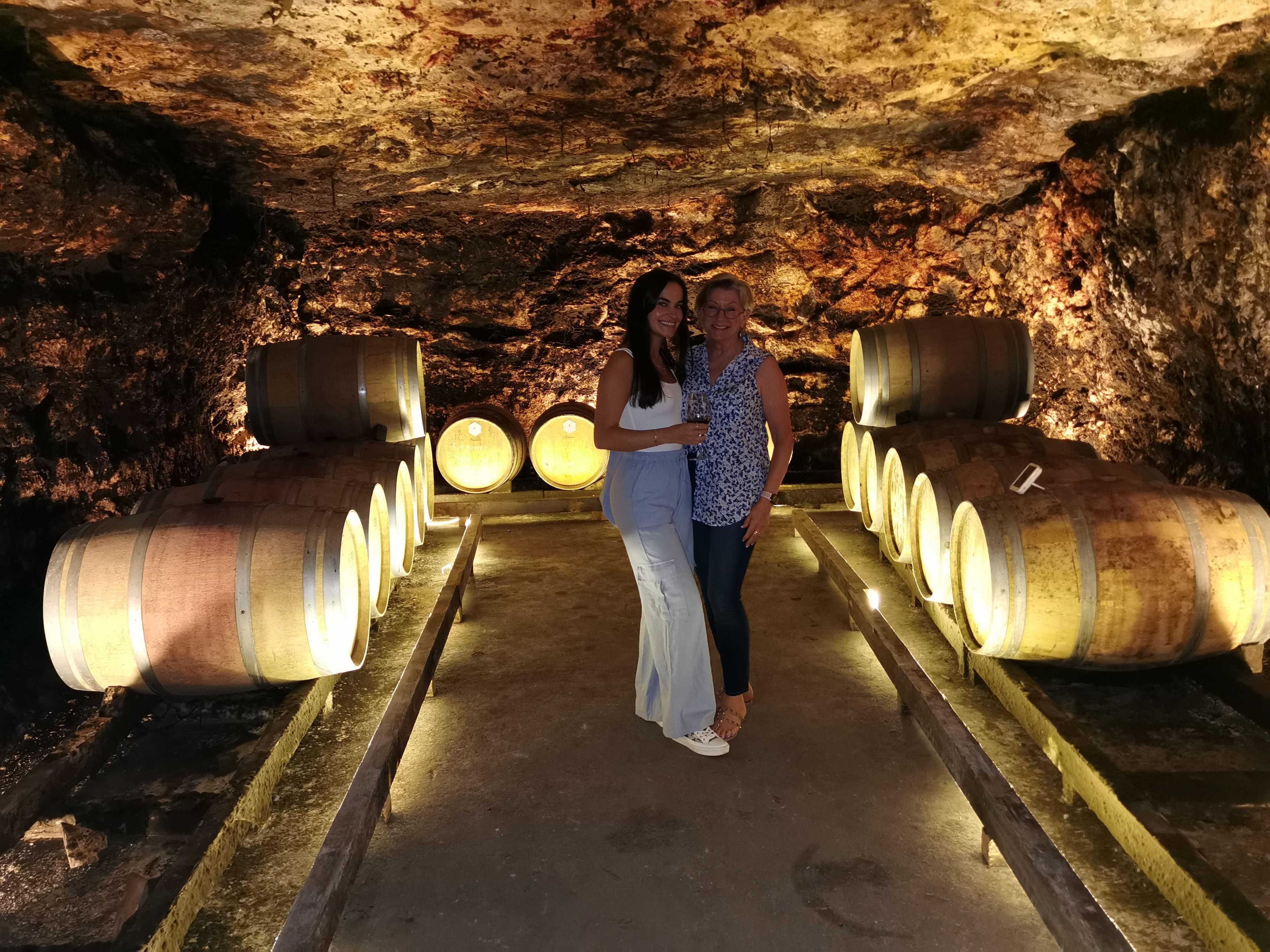
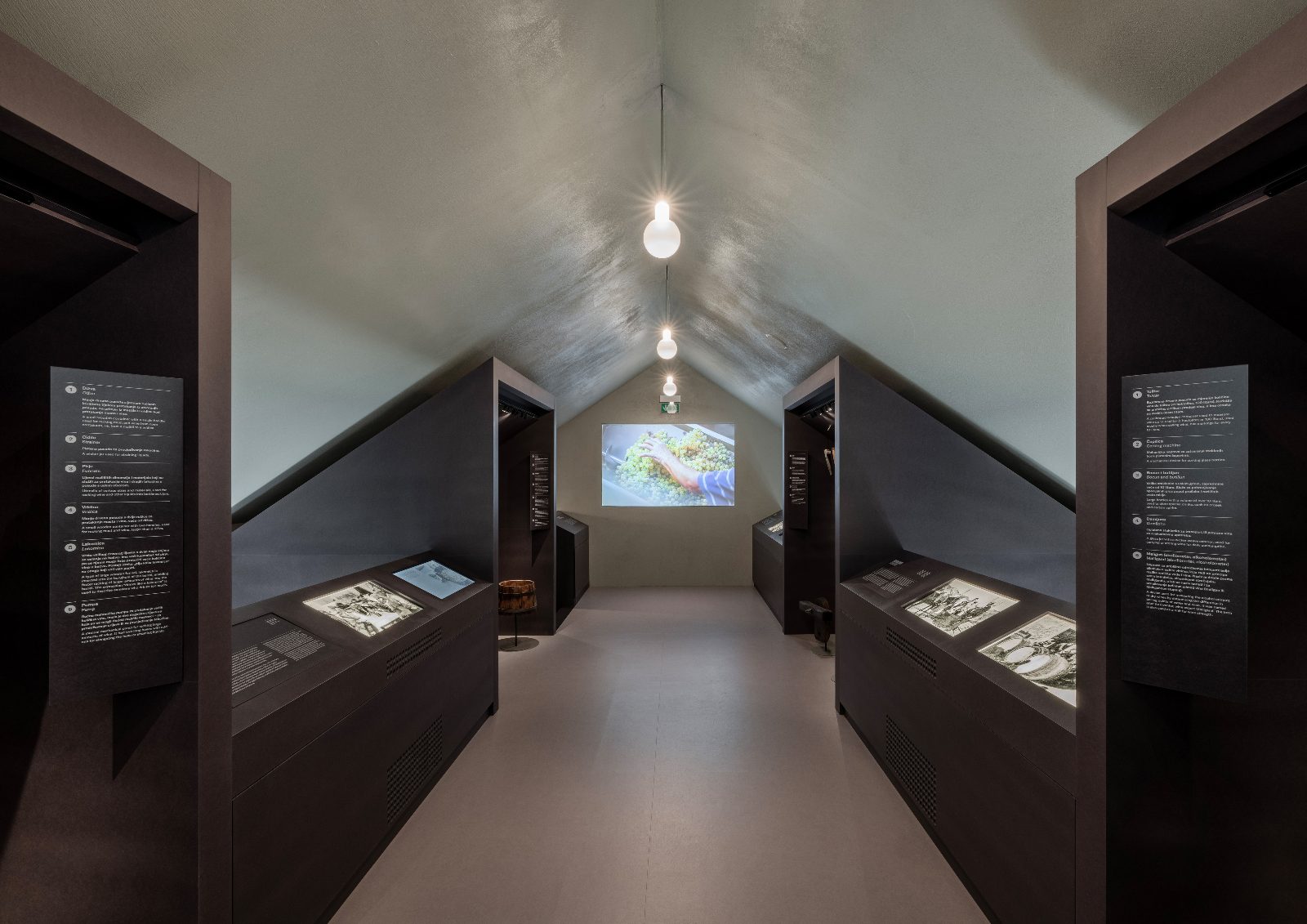
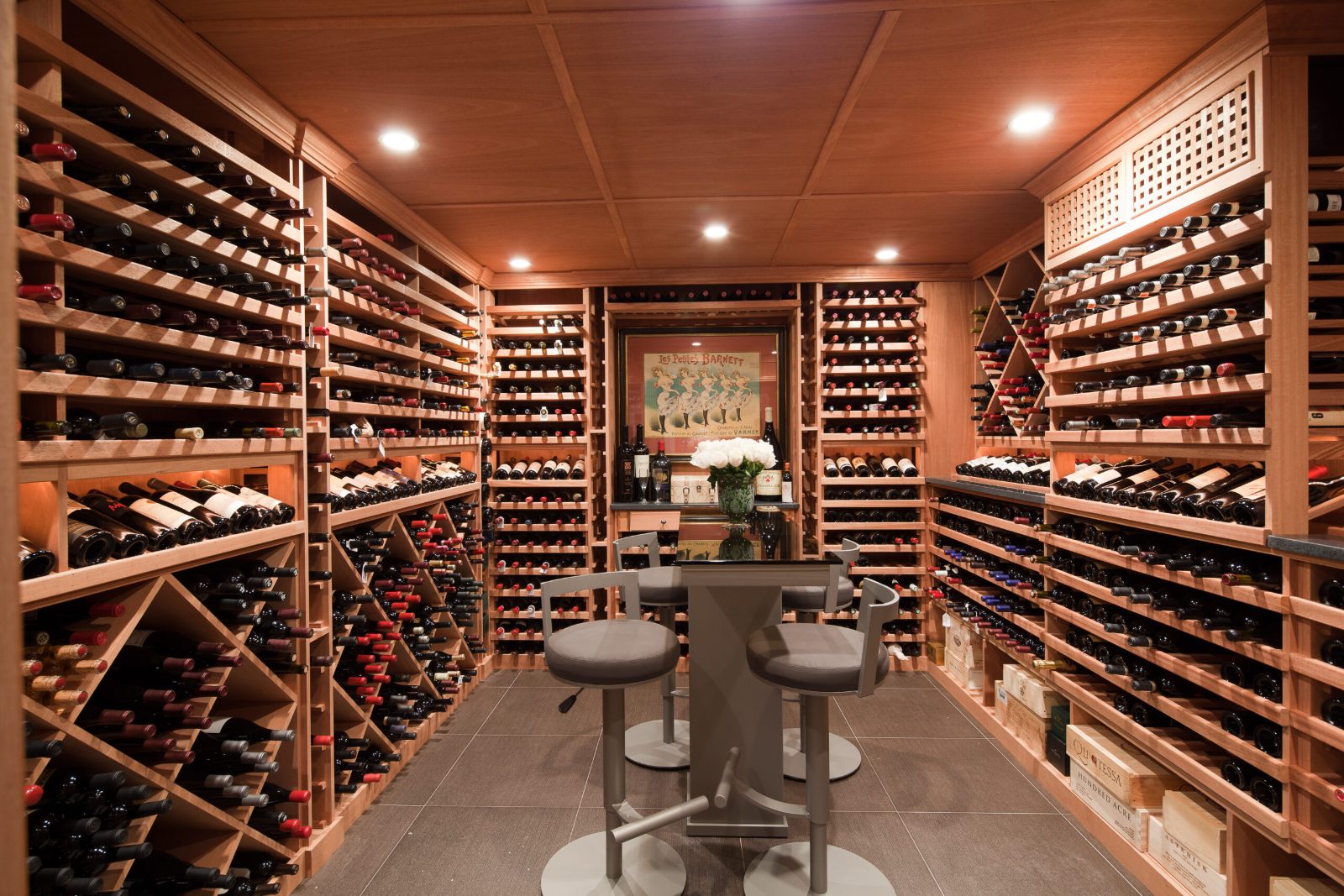
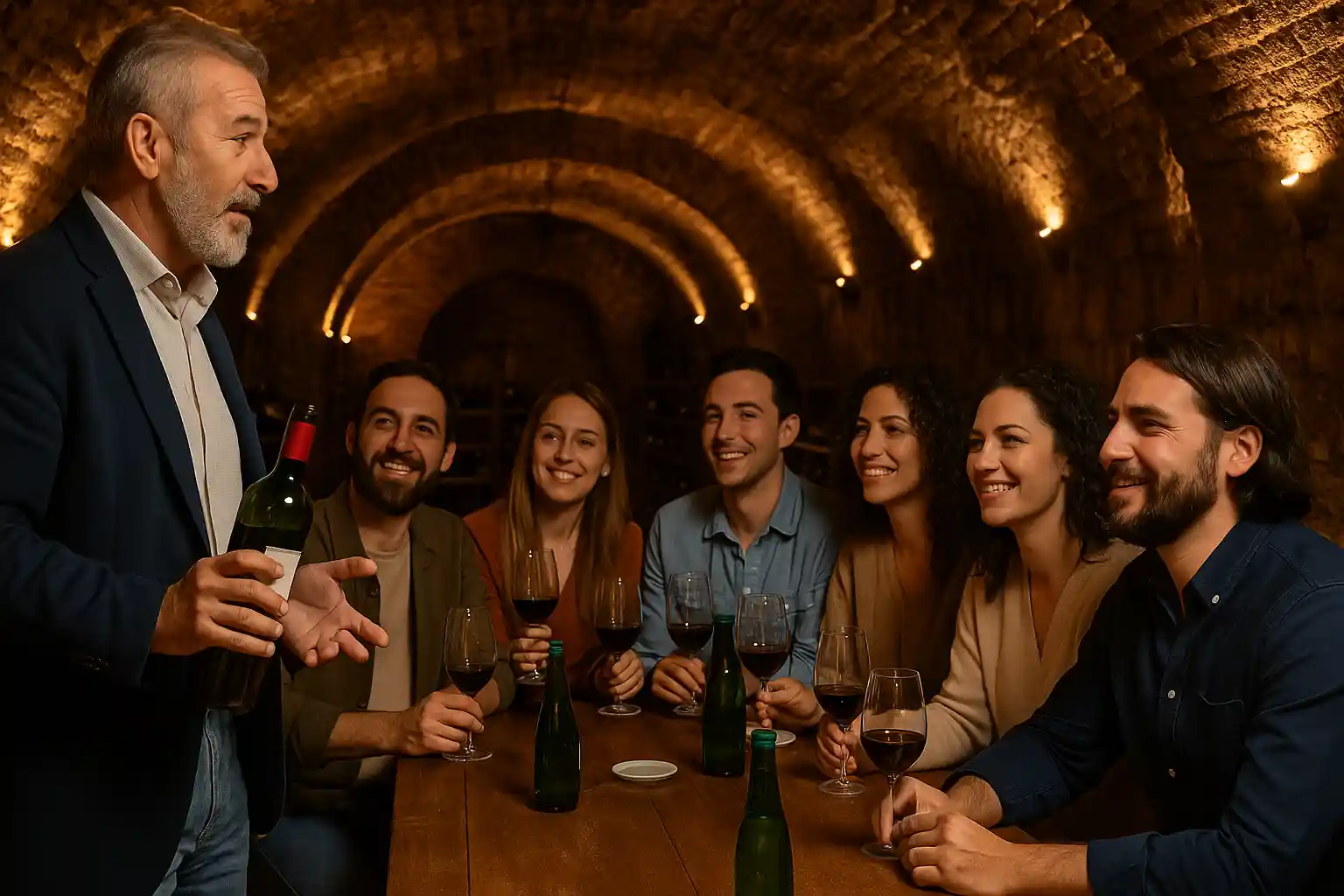
An underground space showcasing traditional aging methods in oak barrels. The cellar maintains a constant temperature of 14 degrees Celsius.
Interactive displays detailing the unique soil types of the Madrid region. It highlights the history of winemaking since the 19th century.
A dedicated area for deep-dive discussions on grape varieties and production. Experts host daily sessions on regional terroir.
The primary location to purchase exclusive bottles tested during your visit. Features limited-run vintages from local vineyards.
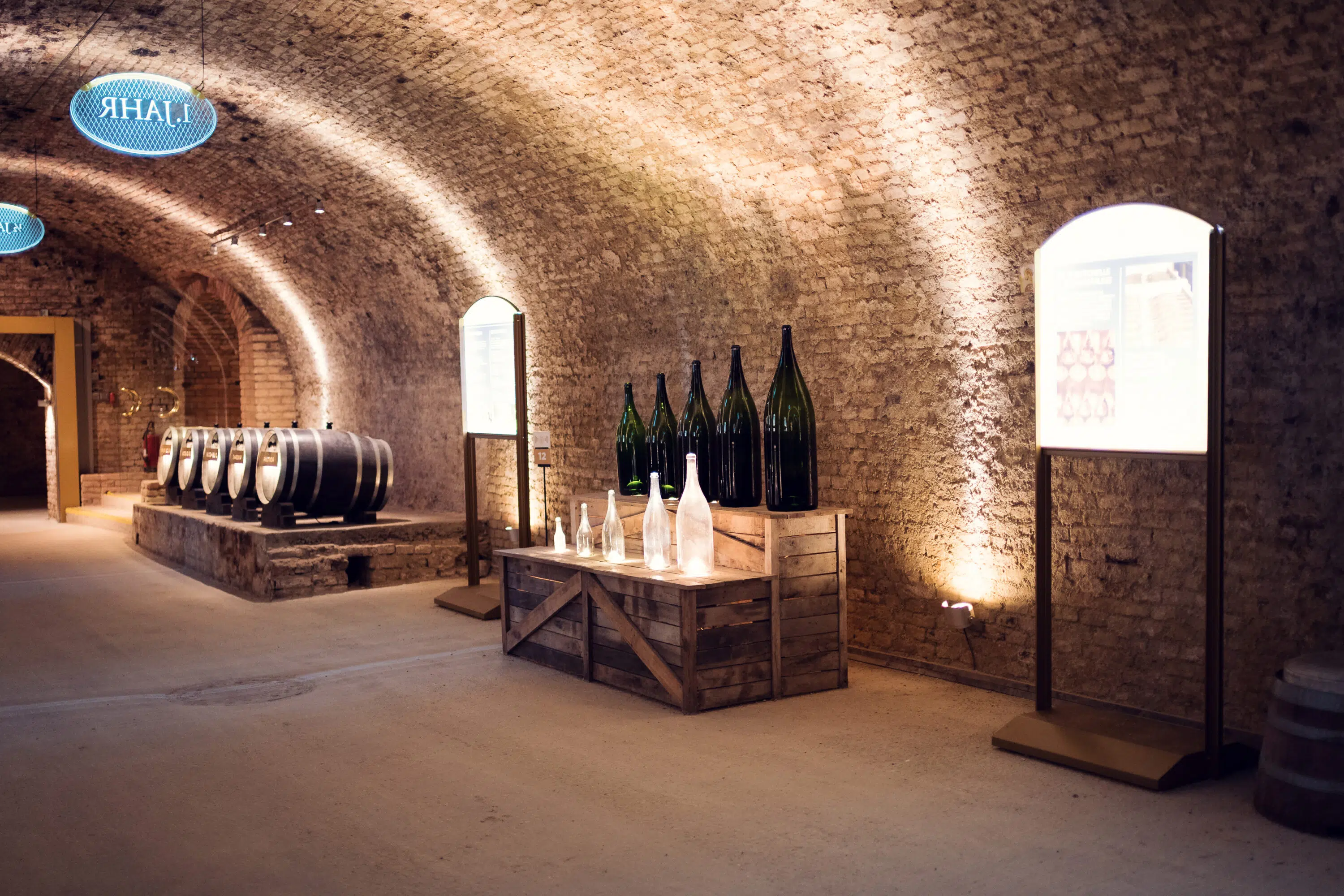
You begin in Plaza de Santa Ana, where your guide distributes tasting cards and maps the route through Barrio de las Letras. The first stop occupies a 17th-century cellar beneath a former printing house—exposed brick arches frame French oak barrels, and the sommelier pours three D.O.
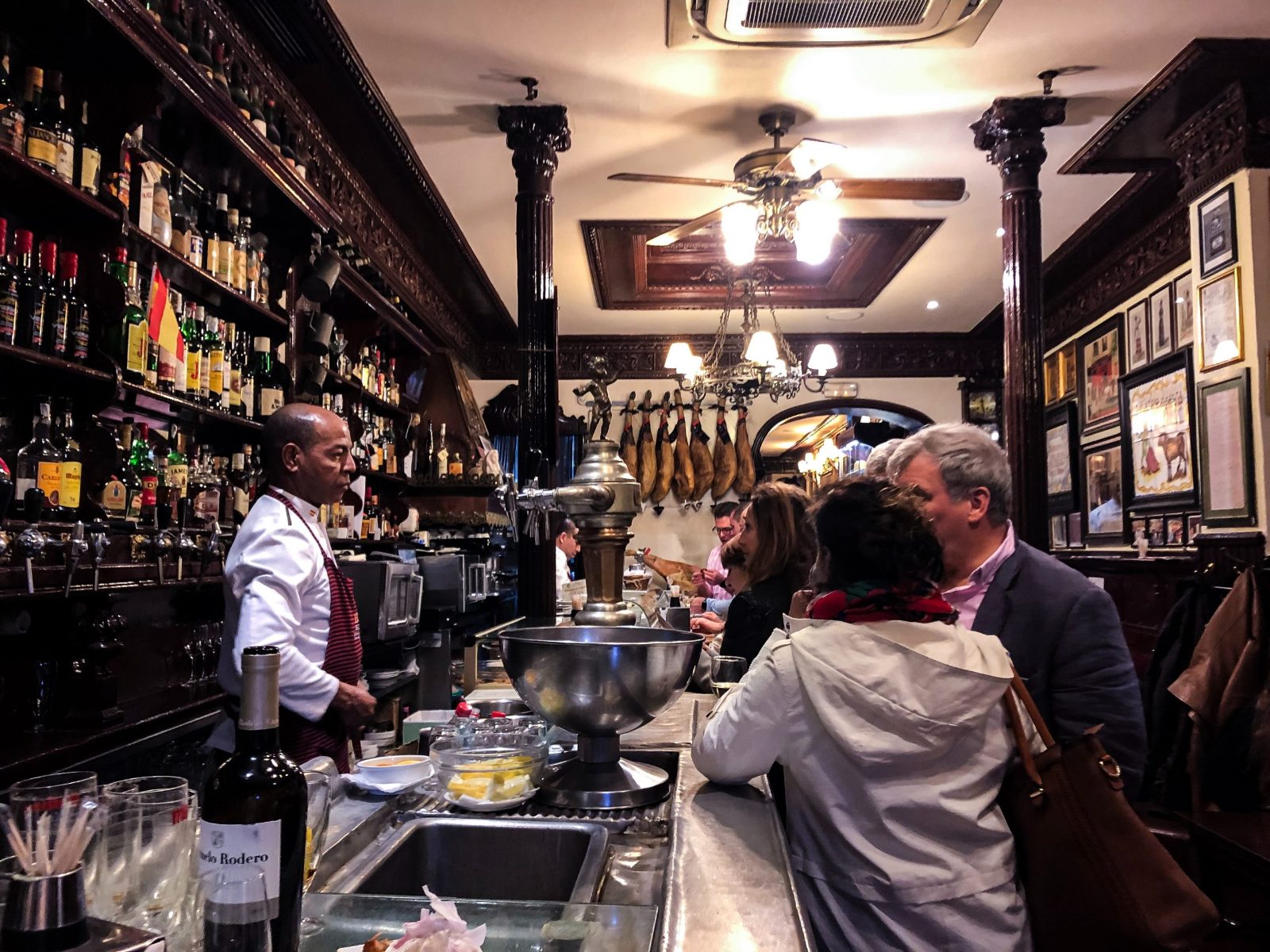
Madrid whites: Malvar, Albillo Real, and a Malvar-Viura blend. You taste alongside jamón ibérico de bellota, noting the Malvar's citrus acidity against the ham's nutty fat. The group moves north to a standing-room wine bar on Calle de las Huertas, where the owner pours two Tempranillo expressions—one from Arganda's sandy soils, one from San Martín's granite—paired with patatas bravas and boquerones en vinagre.
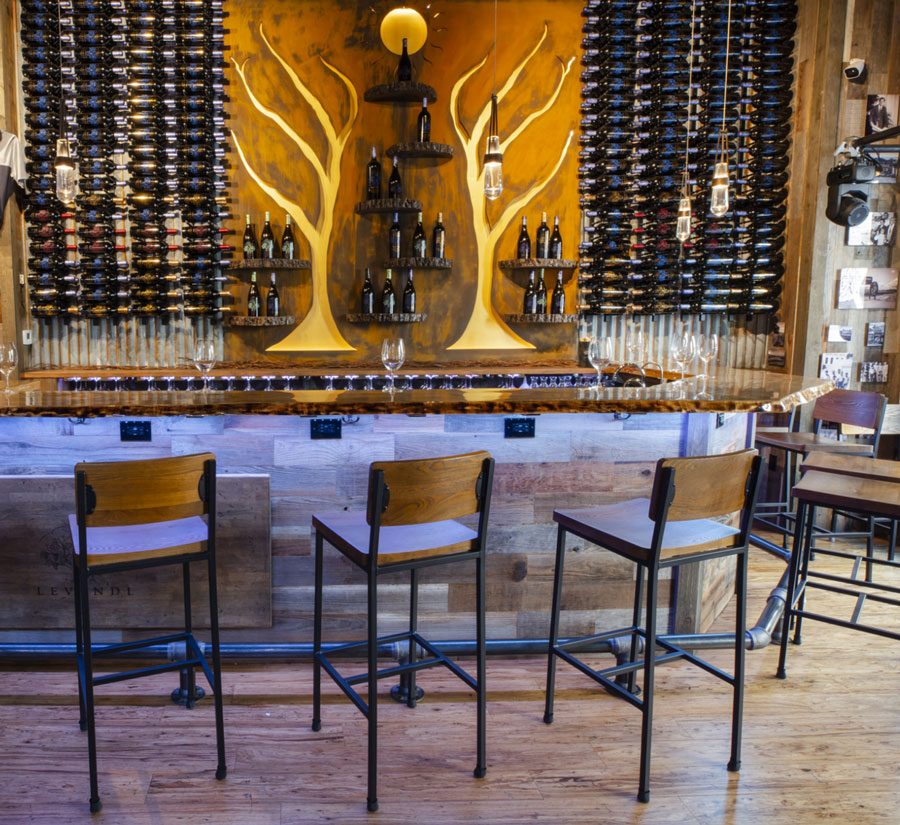
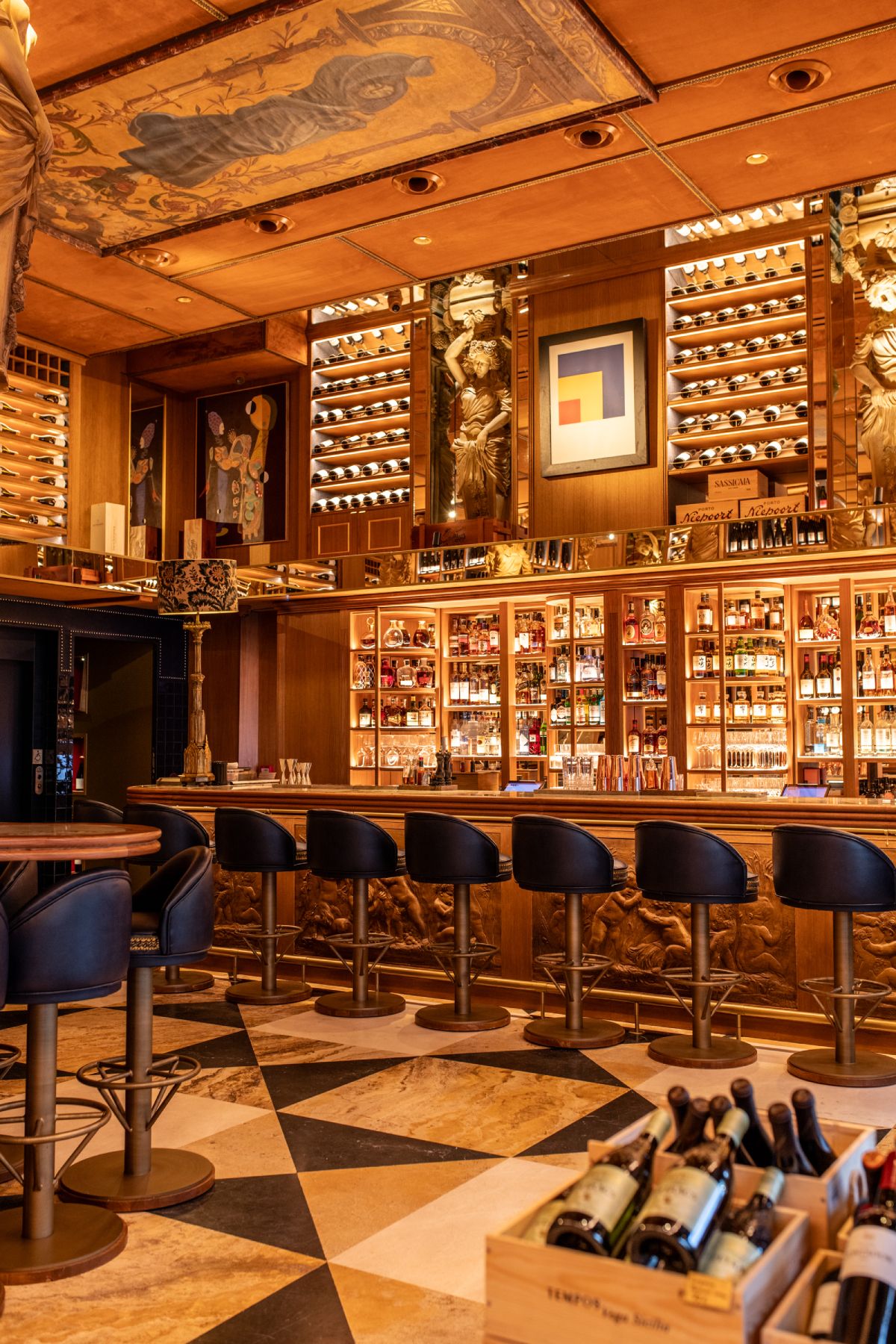
The third venue sits near Puerta del Sol, a modernist space with floor-to-ceiling bottles and a rooftop terrace. You climb to the upper level, where the guide explains the 1990 D.O. designation while you sip a Garnacha rosé overlooking the city's slate rooftops. The final stop returns to La Latina, where a family-run tavern serves Manchego aged in olive oil and chorizo a la sidra alongside a reserve Tempranillo from a 60-year-old vineyard. Your guide distributes producer cards and answers questions about visiting wineries outside the city. The walk concludes at Plaza de la Paja as late-afternoon light hits the basilica dome.
All the details about your upcoming adventure in one place
The Community of Madrid earned its Denominación de Origen status in 1990, yet viticulture here predates Roman settlement by three centuries. Vinos de Madrid D.O.
oversees 54 wineries across three sub-zones—Arganda, Navalcarnero, and San Martín de Valdeiglesias—where clay-limestone soils and Continental climate produce crisp whites from Malvar and Albillo Real, plus structured reds from Tempranillo and Garnacha. The denomination's headquarters on Calle de Albéniz serves as both regulatory body and visitor gateway, though most madrid wine tasting experiences unfold in the capital's historic center, where centuries-old cellars beneath Habsburg-era buildings have been converted into tasting rooms.
Madrid's wine culture flourished during the 18th century when Felipe V granted tax exemptions to local producers, turning the city into a distribution hub for Castilian viticulture. By 1900, over 40,000 hectares of vineyard surrounded the capital; phylloxera and urban expansion reduced that figure to 8,000 by the 1980s. Today's revival focuses on indigenous varieties—Malvar, a white grape nearly extinct outside Madrid, now anchors the region's identity alongside Albillo Real, which thrives in the Sierra de Gredos foothills. Arganda's sandy soils yield mineral-driven whites, while San Martín's granitic terrain produces age-worthy reds that pair with Castilian roast lamb.
City-center experiences blend viticulture education with Madrid's tapas tradition. Walking routes through Barrio de las Letras and La Latina connect family-run wine bars where sommeliers pour vertical tastings of single-estate Tempranillo alongside jamón ibérico and Manchego aged in olive oil. These guided madrid wine tasting tours typically span three hours, visiting four to six establishments, each representing a different sub-zone or winemaking philosophy. The format mirrors Madrid's centuries-old tavern culture, where standing at zinc counters and sharing small plates remains the preferred mode of consumption. Rooftop venues add contemporary context, pairing D.O. Madrid labels with views across terracotta rooftops toward the Guadarrama peaks where many vineyards sit at 700-metre elevation.
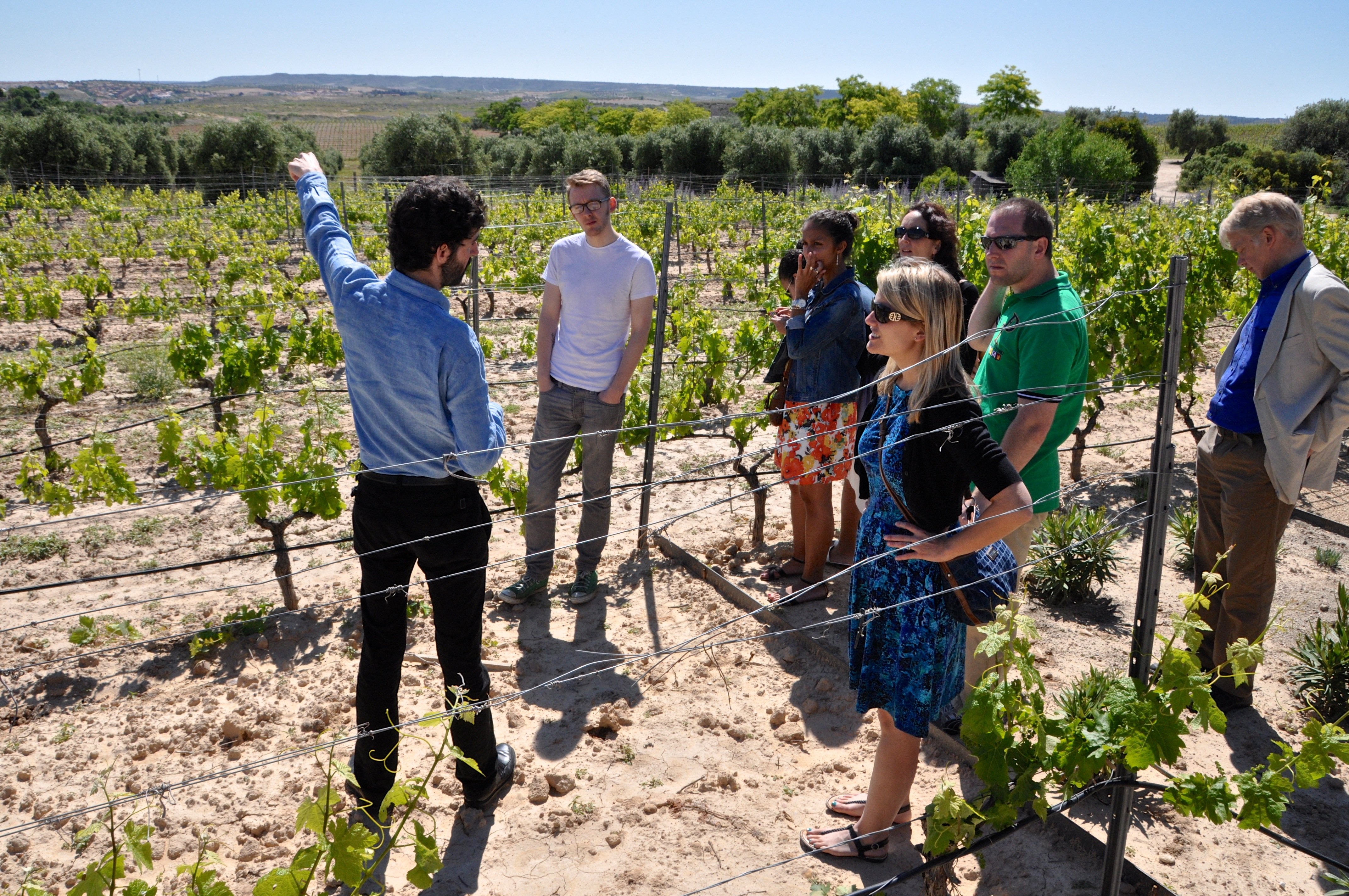
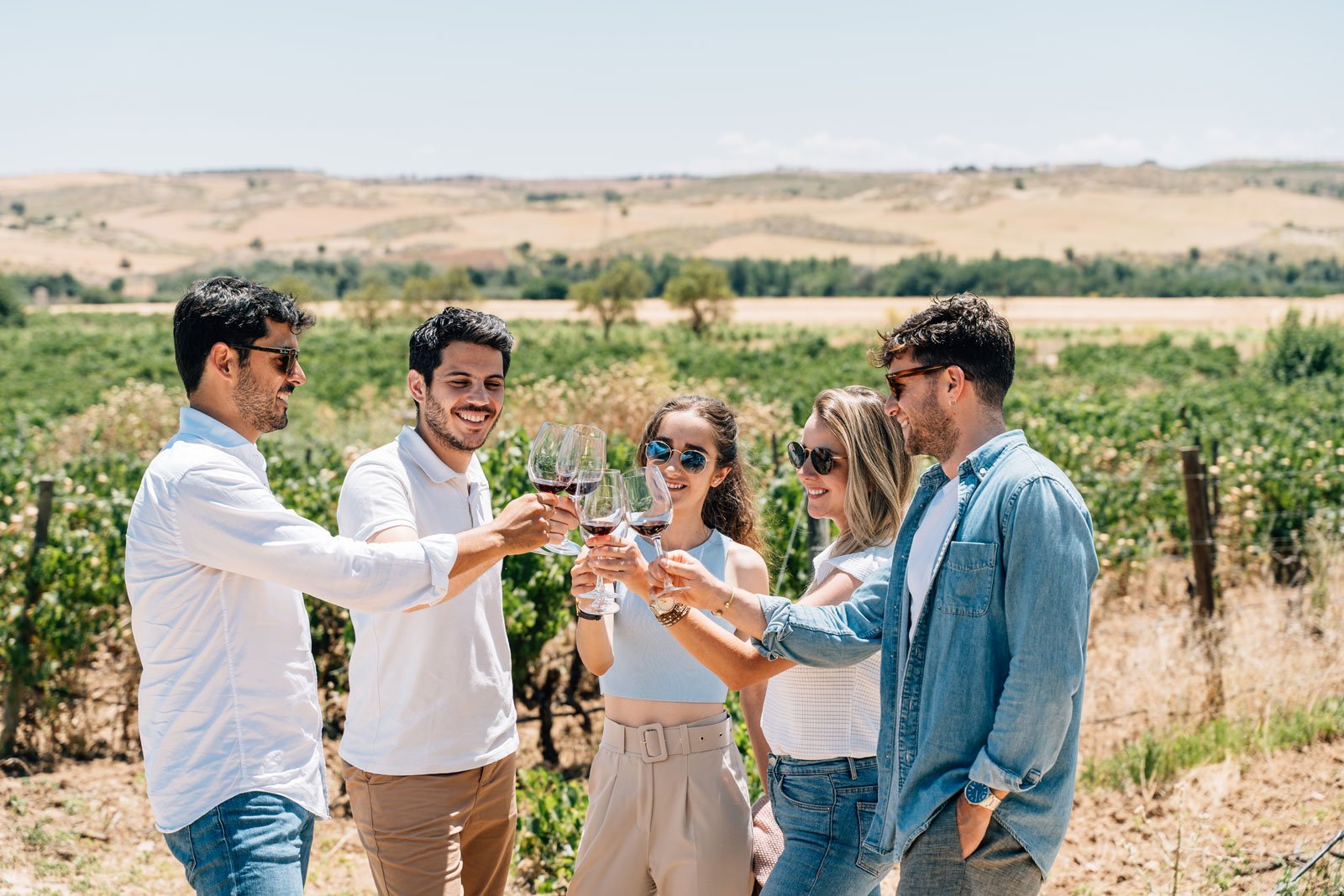
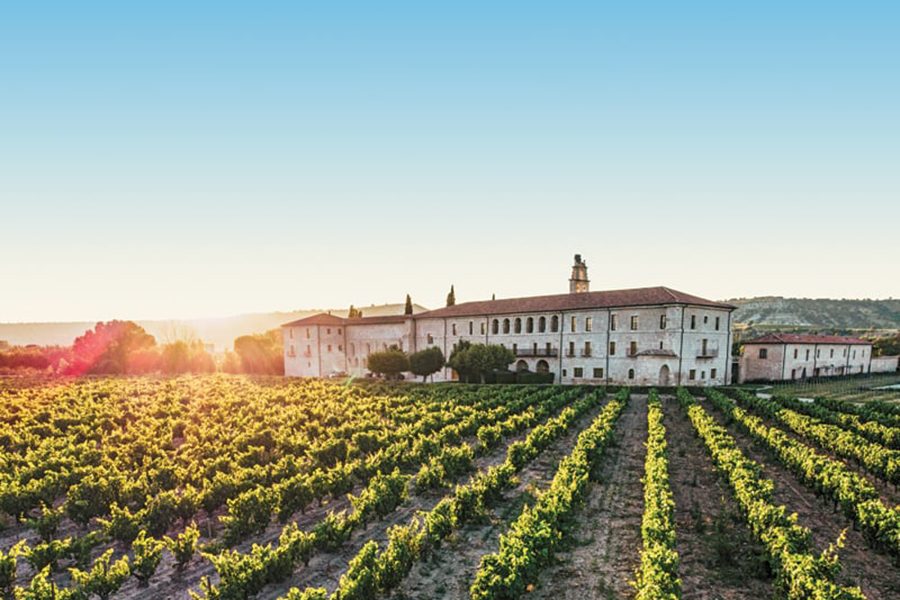
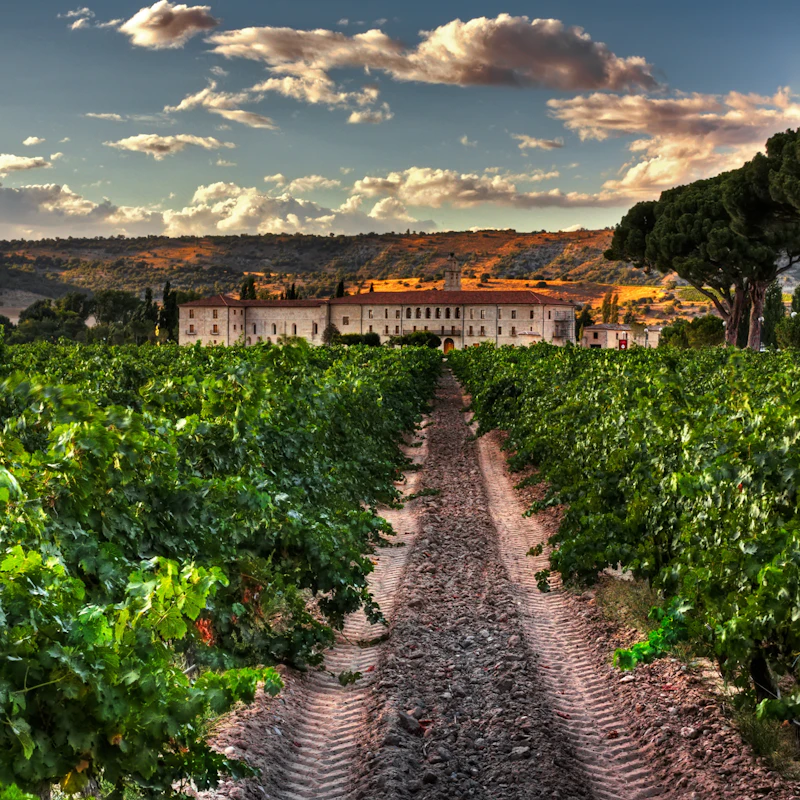
Day excursions reach working wineries within 40 kilometres of the capital. Family operations in Arganda and San Martín open their barrel rooms and fermentation halls for structured visits, concluding with seated tastings of four to six wines. Harvest occurs late September through October; spring visits in April and May offer vineyard walks among flowering vines, while summer's extended daylight suits evening tours that end with outdoor tastings as temperatures cool.

Malvar, a white grape nearly extinct outside Madrid, now anchors the region's identity alongside Albillo Real
Casual attire is appropriate for a madrid wine tasting experience in the city center. Comfortable footwear is recommended for walking between urban tasting venues.
Large backpacks and bulky luggage should be avoided as many historic madrid wine tasting venues have limited storage space. Standard security checks may occur at entry.
Photography is permitted in most public areas of the madrid wine tasting locations. Please refrain from using flash inside dimly lit aging cellars to preserve the ambiance.
While madrid wine tasting venues focus on adult education and appreciation, families are welcome in designated areas. Children must be supervised at all times.
Many urban madrid wine tasting spots are housed in historic buildings with varied accessibility. We recommend confirming specific requirements prior to your visit.
Outside food and beverages are not permitted inside the madrid wine tasting facilities. Pairing menus are often available for separate purchase during your session.
Opening Hours
10:00–18:00 (Tue-Sat), 10:00–14:00 (Sun)
Address
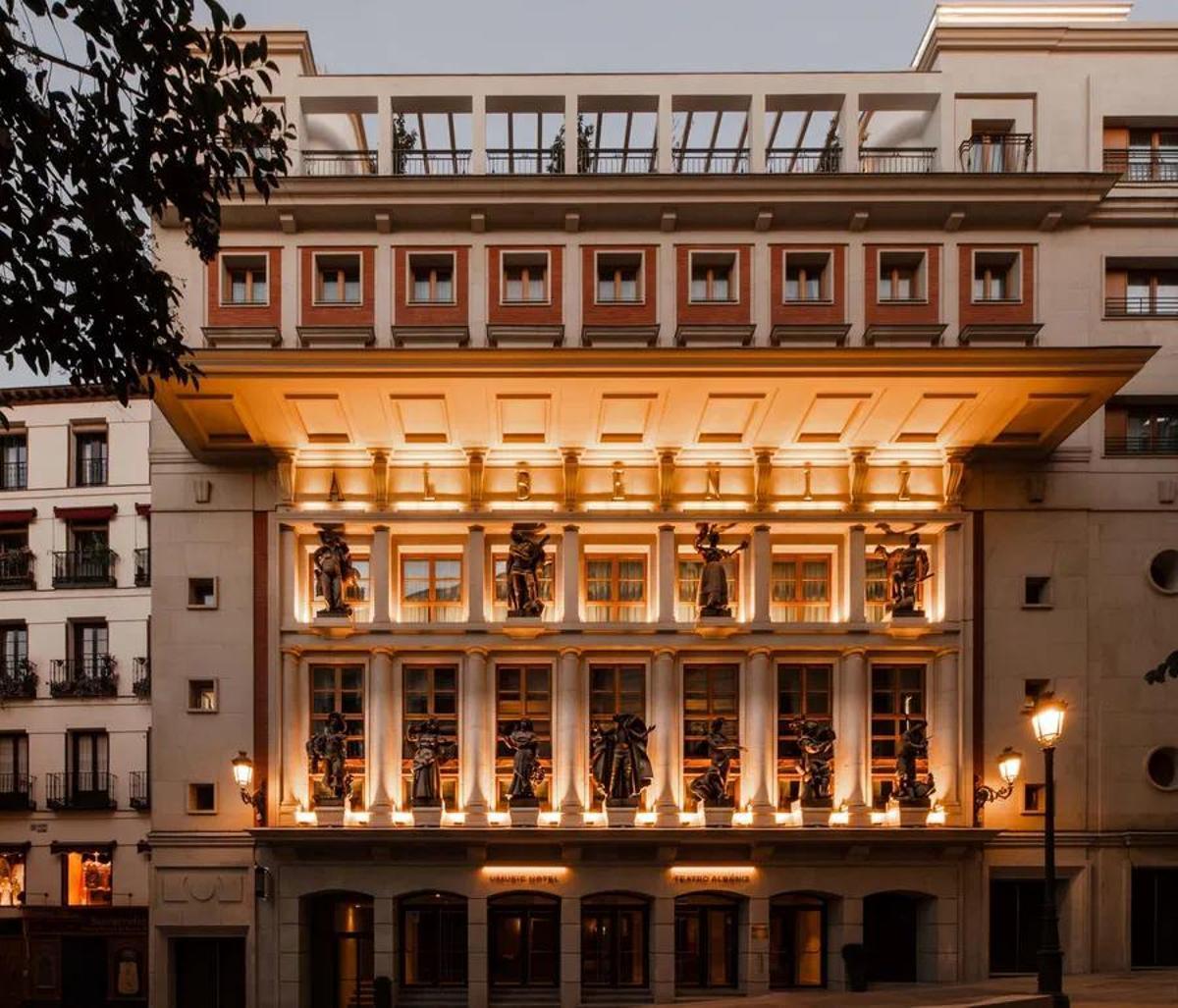
Calle de Albéniz 10, 28014 Madrid, Spain
Wheelchair Access
Ground floor facilities available
Best Arrival
10:00–12:00 for optimal vineyard light
Storage
No onsite lockers provided
Navigation
Located near the Vinos de Madrid D.O. office
Public transport · 30m · 2.00 EUR
Use Metro Line 1 or 2 to reach the center. Multiple bus lines stop within walking distance of the D.O. office
Car · 45m · 15.00 EUR
Public parking garages are available nearby. Driving in the city center is not recommended due to traffic
Tastings and tours require individual booking fees and specific cancellation windows set by the operator. Please refer to your booking confirmation for the exact refund eligibility period.
Recommended time
2-3 hours
Allocating two to three hours allows ample time for a comprehensive madrid wine tasting experience that includes guided flights of regional varietals. Visitors should prioritize the best arrival window of 10:00–12:00, as morning tours offer better vineyard light and smaller crowd sizes. Those interested in extended madrid wine tasting tours should book additional time for cellar exploration and technical discussions with sommeliers. Planning ahead ensures you secure madrid wine tasting tickets for your preferred city-center session, avoiding peak mid-afternoon congestion at these popular Vinos de Madrid D.O. landmarks.
Crowd levels through the day
Weather · crowds · average price — dots go green to amber to red as each metric rises.
Mild weather is ideal for walking between central venues. Vineyards are vibrant and green during these months.
Evenings are popular for refreshing local whites. Indoor tasting rooms provide respite from the midday heat.
This is peak harvest season in the Community of Madrid. Visitors can experience the most active time for winemakers.
Indoor sessions are cozy and intimate. Smaller crowds make it easier to book last-minute spots.
Popular madrid wine tasting sessions can sell out quickly. Reserve your spot online to ensure availability.
Enhance your madrid wine tasting by choosing a tour that includes local tapas. This provides a complete sensory experience.
Drink plenty of water throughout your madrid wine tasting day. The dry climate can intensify the effects of wine.
Understanding the Vinos de Madrid designation will improve your madrid wine tasting appreciation. Staff can explain regional nuances.
Public transport is the most efficient way to travel between different madrid wine tasting venues. Avoid the stress of city parking.
Calle de Albéniz 10, 28014 Madrid, Spain
Main information center
Get directionsThe vineyards surrounding Madrid trace their origins to Roman settlers who recognized the region's limestone soils and continental climate as suitable for viticulture. By the medieval period, monasteries controlled extensive plantings across the valleys south of the capital, producing wines for liturgical use and local consumption. The 16th century brought commercial expansion as Madrid became Spain's permanent capital in 1561, creating urgent demand for affordable table wine to supply the court and growing urban population. Vineyards spread rapidly across Arganda, Navalcarnero, and San Martín de Valdeiglesias, three sub-zones that would later anchor the appellation. Phylloxera arrived in Madrid province during the 1890s, destroying approximately sixty percent of planted vines within a decade. Reconstruction favored disease-resistant American rootstock grafted with native varieties including Malvar, Airén, and Tempranillo, though total acreage never recovered to pre-plague levels. The 20th century saw industrial cooperatives replace monastic cellars, prioritizing volume over quality until Spain's 1970s democratic transition opened export markets and shifted consumer expectations. The Denominación de Origen Vinos de Madrid received official recognition in 1990, establishing production standards and geographical boundaries that distinguished regional wines from bulk offerings. Modern madrid wine tasting has evolved from rustic tavern pours to curated experiences showcasing single-vineyard bottlings and experimental blends. The 2000s brought temperature-controlled fermentation, French oak aging, and international consultants to estates that had relied on concrete tanks and chestnut barrels for generations. Small producers began offering madrid wine tasting tours that combined cellar visits with tapas pairings, attracting urban visitors seeking alternatives to crowded city-center bars. By 2015, the appellation counted over fifty registered bodegas, with a third open to the public for scheduled tastings. The Consejo Regulador established its headquarters on Calle de Albéniz in 2018, consolidating promotional efforts and providing a central contact point for visitors exploring Madrid's viticultural revival.
Settlers plant vines across limestone valleys surrounding the future capital.
Madrid becomes Spain's permanent capital, spurring commercial vineyard expansion.
Phylloxera epidemic destroys sixty percent of the province's vineyards within a decade.
Denominación de Origen Vinos de Madrid receives official recognition and production standards.
Modern winemaking techniques and tourism-focused bodegas transform the regional industry.
Consejo Regulador opens headquarters in central Madrid to coordinate appellation promotion.
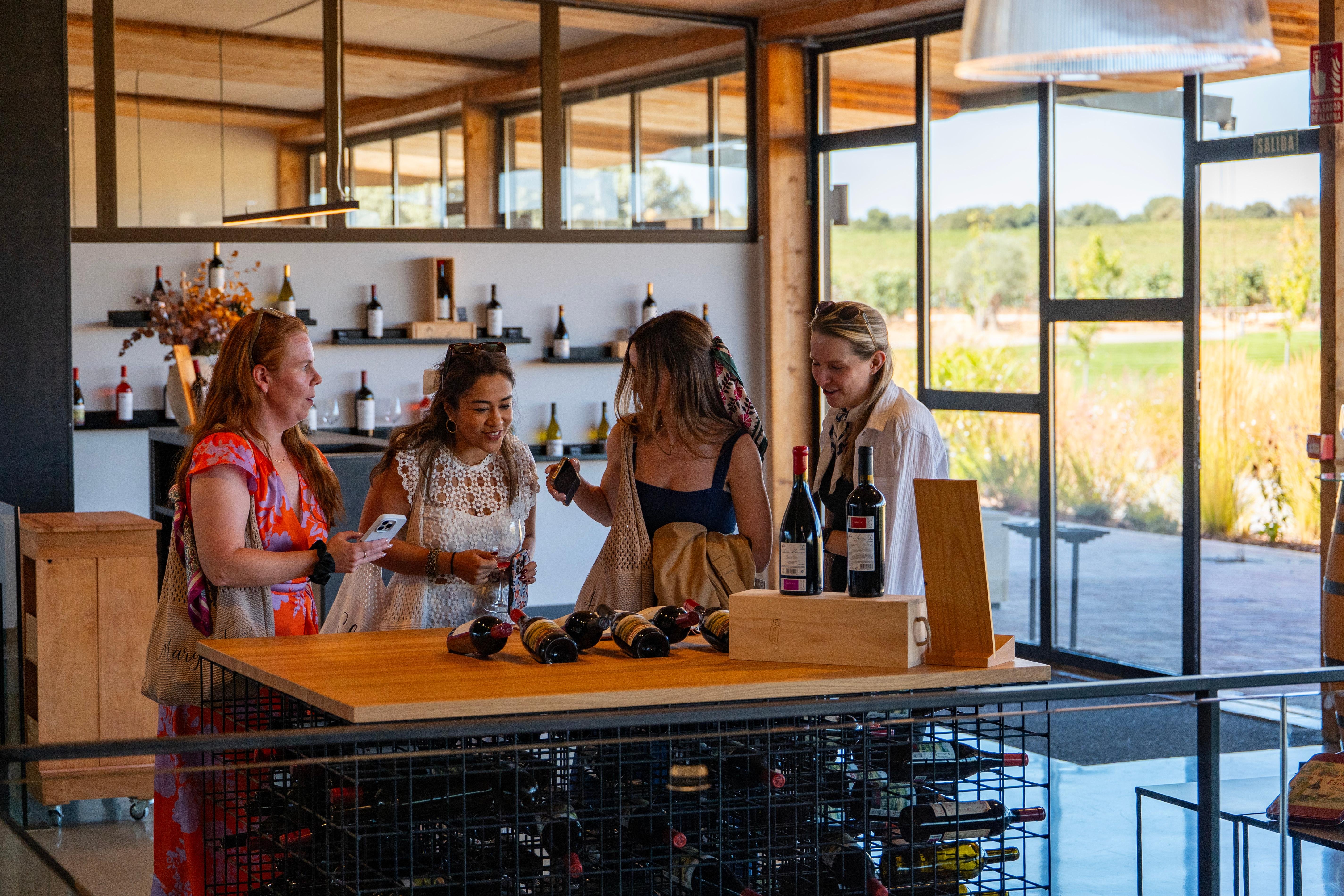
Capture the curated selection of regional bottles against the backdrop of the modern cellar decor. Stand near the central tasting bar to frame the glass racks and professional pour equipment.
The classic signage and architectural detail of this location serve as an authentic marker for your visit. Position yourself across the street to include the building facade and street signage in your frame during a madrid wine tasting.
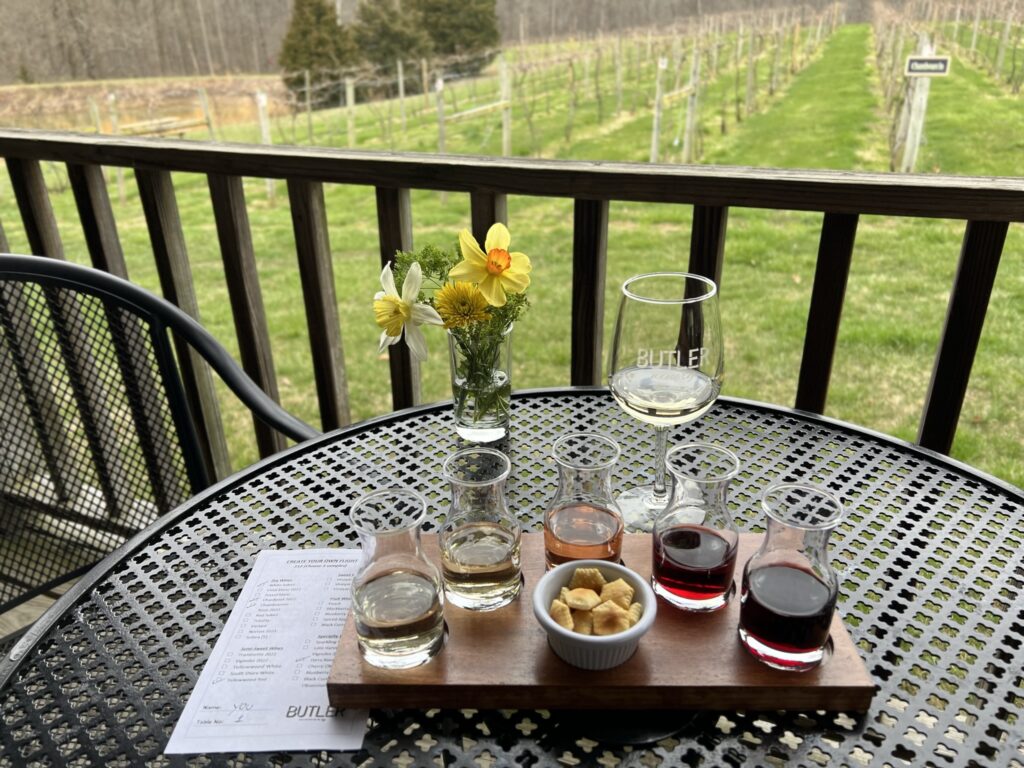
Focus on a top-down angle of local red and white varietals paired with artisanal cheese to highlight the textures of your experience. This composition is effective for showcasing the vibrant hues of Vinos de Madrid wine tasting tours.
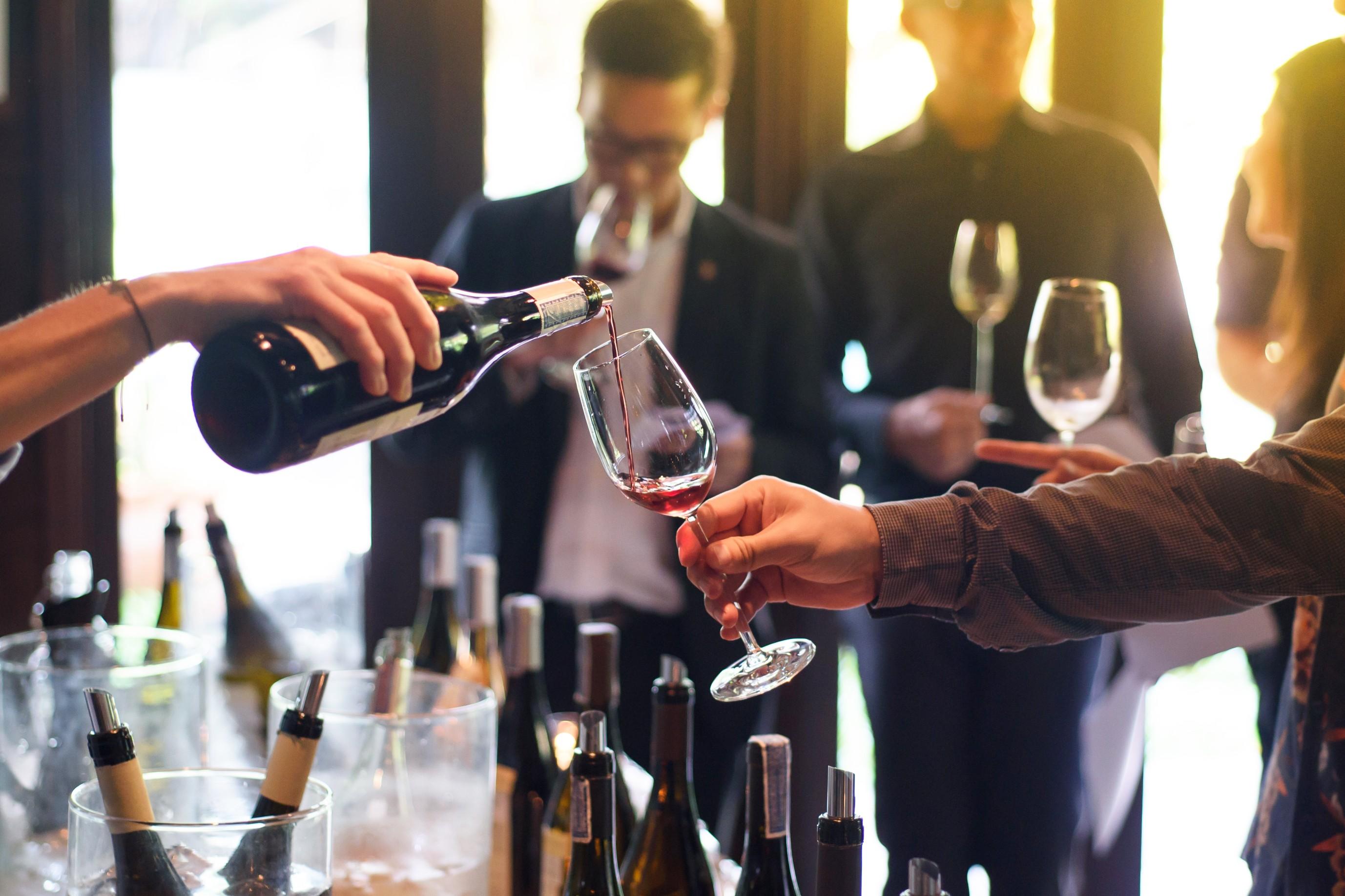
This area offers a wide perspective of visitors engaged with sommeliers, providing a sense of scale and activity. Stand near the entrance to capture the depth of the room while guests utilize their madrid wine tasting tickets.
Exploring a madrid wine tasting experience in the city center requires mindful planning to balance adult interests with younger needs. Focusing on casual tapas settings allows families to enjoy the culture of Vinos de Madrid D.O. without the intensity of full vineyard excursions.
The city-center office at Calle de Albéniz 10 is accessible, though individual tapas venues vary significantly in space; bringing a lightweight, collapsible stroller is recommended for crowded areas.
These urban sessions are most suitable for older children and teenagers who can appreciate the culinary history and Spanish viticulture, as there are no dedicated play zones.
Public restrooms are available at the central location, but always confirm child-friendly amenities directly with your chosen tapas tour partner before booking madrid wine tasting tickets.
To ensure a relaxed experience, aim for the best arrival window of 10:00–12:00 to avoid the peak lunch rush when navigating narrow streets.
Many tapas establishments serve small plates that appeal to younger palates, making it easier to share local flavors during your madrid wine tasting tour.
Since the primary office is indoors, you can easily shift your itinerary to focus on indoor culinary workshops or seated tapas experiences if weather impacts your madrid wine tasting tours.
Visitors planning a madrid wine tasting will find the area surrounding Calle de Albéniz 10 surrounded by authentic tabernas and culinary gems. Enjoy local D.O. Vinos de Madrid pairings at these nearby spots after your madrid wine tasting tour.
A historic tavern serving traditional Spanish plates and regional wines. It is an ideal spot to continue your exploration of local viticulture.
Everything you need to know for your journey
The center is open Tuesday through Saturday from 10:00–18:00 and Sunday from 10:00–14:00, with Monday closures.
There is 0 EUR general admission fee, though individual tours and tastings require booking fees.
You can reserve madrid wine tasting tickets via the official Vinos de Madrid website.
Children are welcome at most madrid wine tasting venues, but must remain supervised during the experience.
Yes, photography is permitted at your madrid wine tasting, provided you do not use flash near aging wine.
Casual, comfortable attire is perfect for your city-center madrid wine tasting tour.
Most urban madrid wine tasting locations offer ground-level access, though specific venue layouts may vary.
The best time for a madrid wine tasting is between 10:00–12:00 to enjoy the best vineyard light and smaller crowds.
Outside food and beverages are not allowed during your madrid wine tasting, though pairing options are often available.
Historic green space perfect for an afternoon stroll. It offers a tranquil escape from the urban environment.
World-class art gallery featuring European masterpieces. Ideal for combining culture with wine appreciation.
Iconic 18th-century gate representing the city's heritage. A significant architectural site for visitors.
Striking white building serving as a cultural center. Offers impressive views of the surrounding area.
Historic area with many charming boutique hotels
Upscale lodging located near major transit hubs
Comfortable stay within walking distance of tasting sites
Join thousands of happy travelers who have discovered this incredible experience
Book Your Experience Now