3 hr
Madrid Tapas & Wine Tasting with Local Guide
- Entry ticket
- Mobile voucher
- Valid same day
- Free cancellation
Madrid Wine and Tapas Tour — La Latina's Historic Taverns
Iron-grilled pulpo and Ribera del Duero, served where Goya drank
Compare fares, pick the fit — all bookings are mobile-voucher and eligible for free cancellation where shown.
3 hr
2 hr 30 min
3 hr
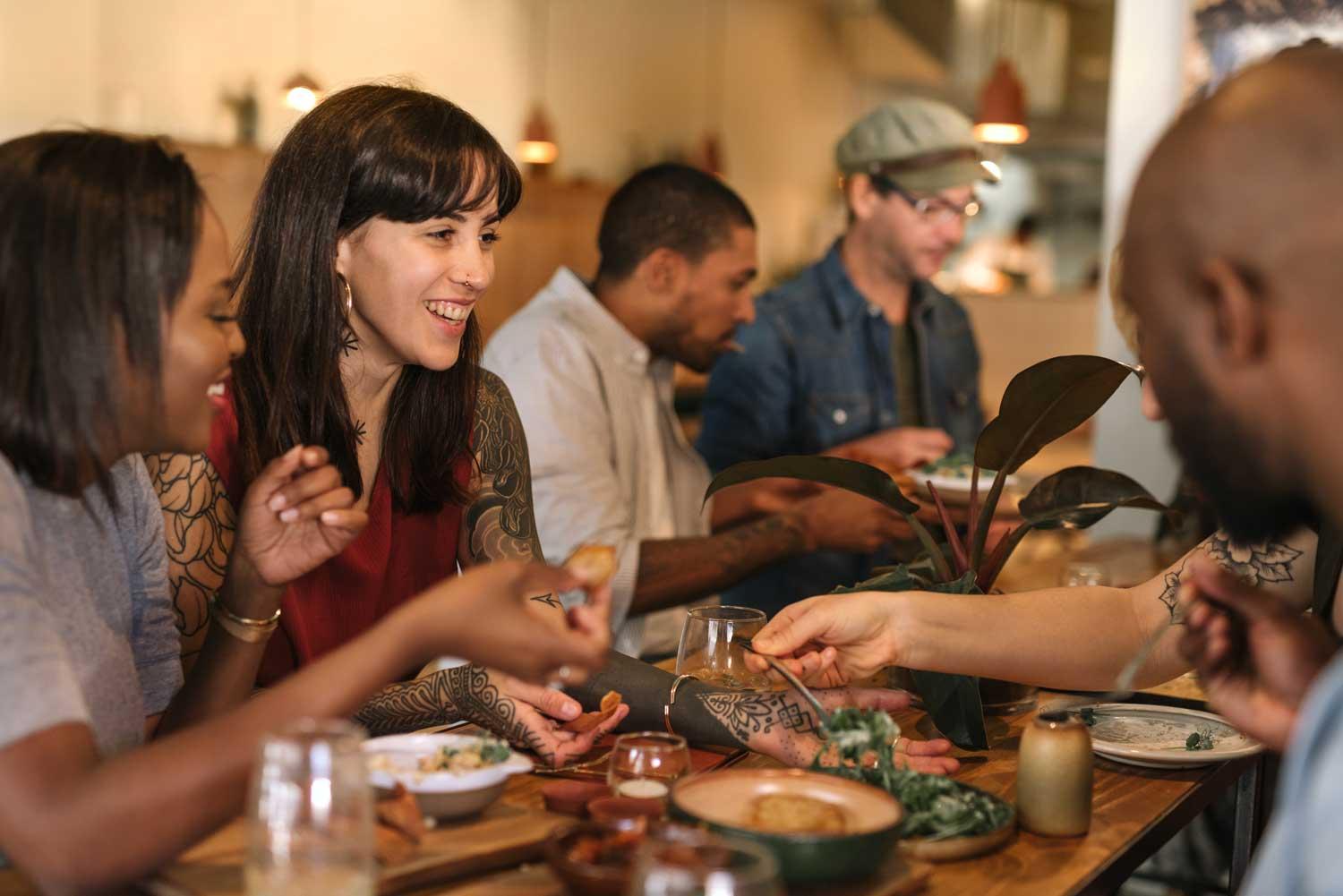
Selecting the right madrid wine and tapas tour allows visitors to immerse themselves in local culinary traditions within the historic La Latina neighborhood. These guided walking experiences offer varying levels of intimacy, from group tastings to private excursions.
| Small Group Tour Social Atmosphere |
Top pick Private Sommelier Tour Expert-Led Immersion |
|
|---|---|---|
| Duration | 3 hours | 2 hours |
| Group Size | Up to 12 guests | Private group |
| Inclusions | 9 tapas and 5 drinks | 3 wines and traditional tapas |
| Access Method | Walking tour | Skip-the-line tavern entry |
| Best for | Budget-conscious foodies | First-timers seeking expertise |
| See tickets & prices |
Verdict: For a personalized deep dive into the local gastronomy, the private madrid wine and tapas tour tour remains the optimal choice for visitors.
Worth it for tapas lovers and wine enthusiasts
A madrid wine and tapas tour delivers authentic immersion into La Latina's culinary culture without an upfront entrance fee — you pay only for what you consume at each stop. Guided options range from straightforward neighborhood walks with local expertise to premium experiences including rooftop terraces, typically spanning 2.5–3.5 hours and visiting 3–5 traditional venues. The value proposition hinges on access: insider knowledge of hidden bodegas, curated wine pairings from Community of Madrid wineries, and skip-the-research convenience in a district dense with tourist traps. Evening departures between 19:00–22:00 capture the neighborhood at its liveliest, when locals crowd the bars and the tapas scene peaks. For first-timers unfamiliar with Spanish dining rituals or travelers short on time to map authentic spots independently, guided madrid wine and tapas tour tours eliminate guesswork and front-load cultural context that solo exploration misses.
Bottom line: Book a guided option if you want expert curation and cultural immersion; explore independently if you prefer spontaneous discovery and budget control.
They complement each other; most visitors who do both call the madrid wine and tapas tour the more educational, while the self-guided approach offers superior freedom.
|
Top pick Guided Tour |
Self-Guided Crawl | |
|---|---|---|
| Expertise level | Sommelier-led insights | Independent learning |
| Social interaction | Group connection | Private atmosphere |
| Planning effort | Zero effort required | Requires research |
| Logistical assistance | Expert navigation | Navigate streets personally |
| Authenticity | Curated venue selection | Real-time discovery |
| Hidden gem discovery | Expert insider access | Chance-based findings |
| See tickets & prices |
Verdict: Securing madrid wine and tapas tour tickets ensures deeper historical context, whereas independent exploration allows for a more personal pace during your madrid wine and tapas tour tours.
Hand-picked experiences loved by thousands of travelers
4 hours
Free Cancellation
Discover Madrid's culinary soul on a guided evening adventure through historic taverns, ending with cava and skyline views.
3 hours 30 minutes
Free Cancellation
Explore historic neighborhoods, savor authentic Spanish tapas paired with wine, and toast the sunset from a stunning rooftop terrace
2 hours 30 minutes
Free Cancellation
Discover authentic Spanish cuisine on a guided evening walk through historic La Latina neighborhoods
3 hours
Free Cancellation
Savor authentic Madrid flavors at family-owned spots locals love on this guided culinary walk
3.5 hours
Free Cancellation
Savor authentic Spanish small plates at four traditional venues while exploring the city's landmarks
6 hours
Free Cancellation
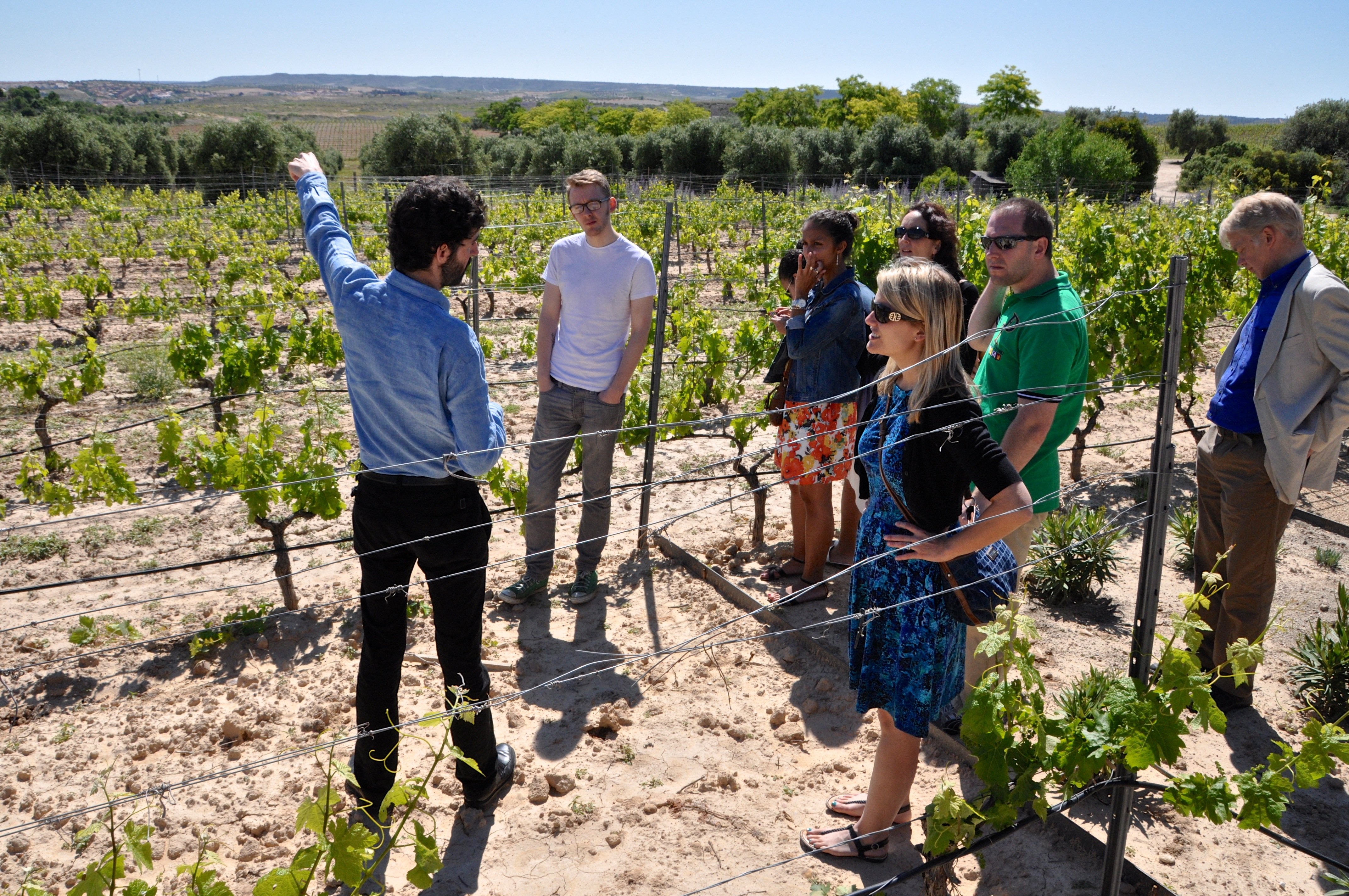
Discover award-winning vineyards in historic towns just outside Madrid with expert-led tastings
11 hours
Free Cancellation
Journey through Spain's legendary wine country, sampling award-winning vintages at three distinct estates.
3 hours 30 minutes
Free Cancellation
Savor authentic Spanish flavors across 4+ stops on an intimate 3.5-hour guided walking experience.
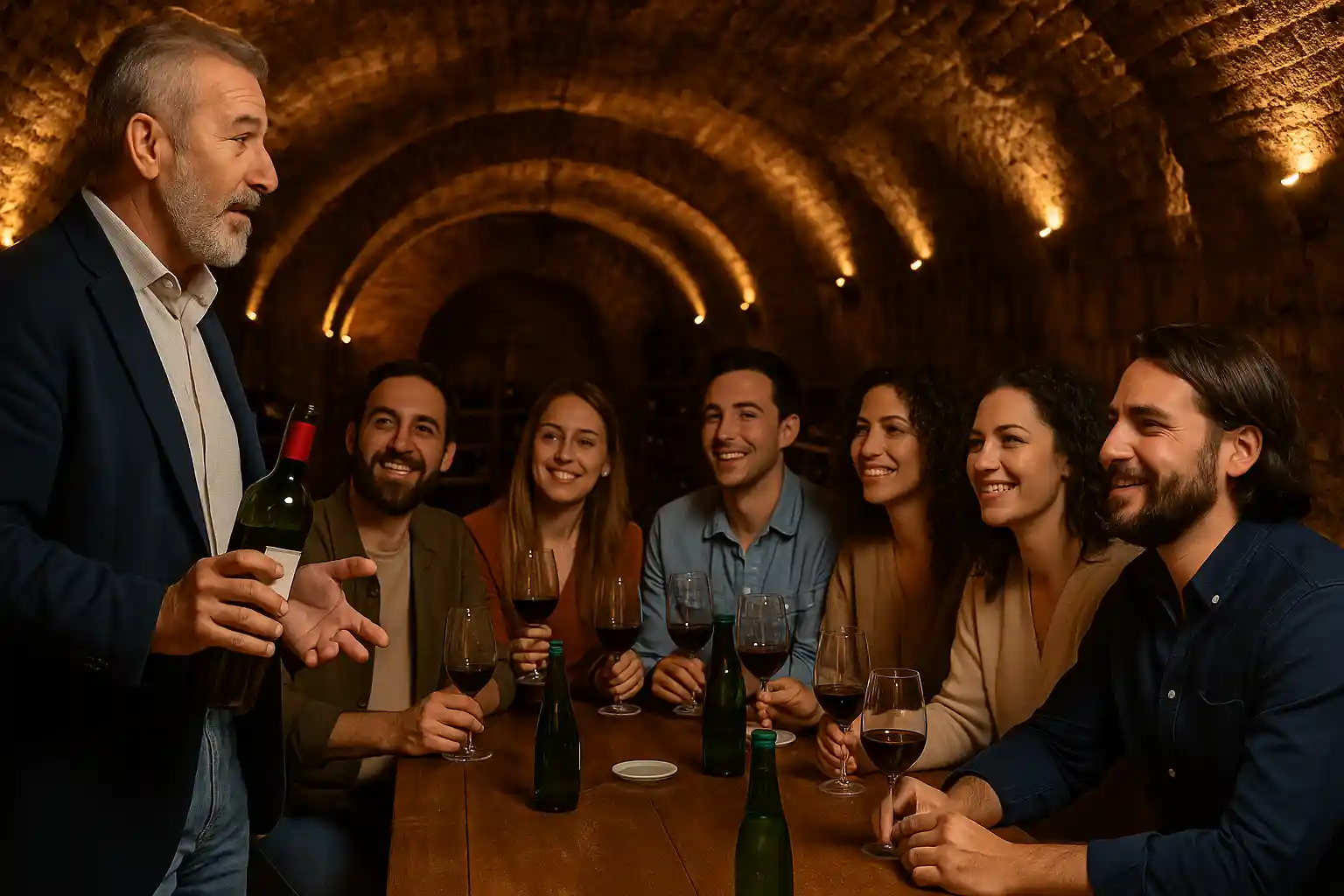
Learn about local wine pairings in a historic setting
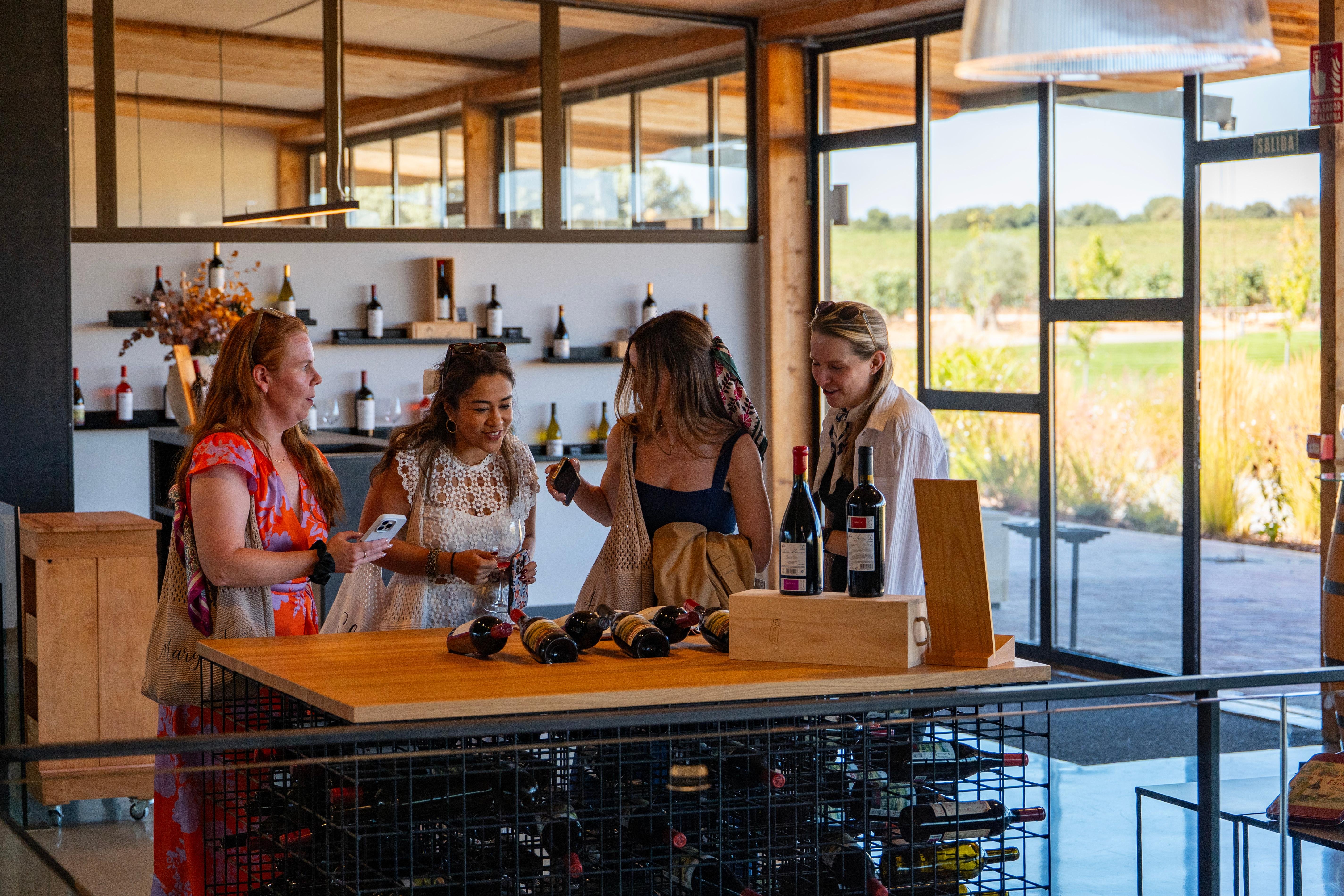
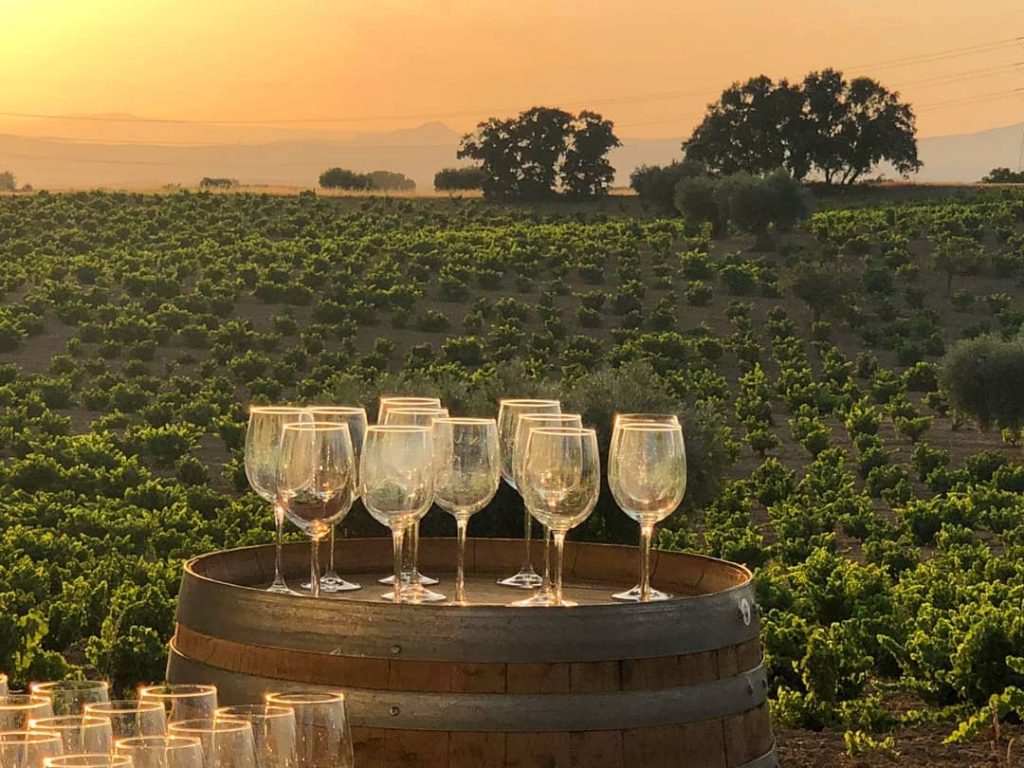
Sample varietals from Wineries of the Community of Madrid
Explore the architectural history of the district
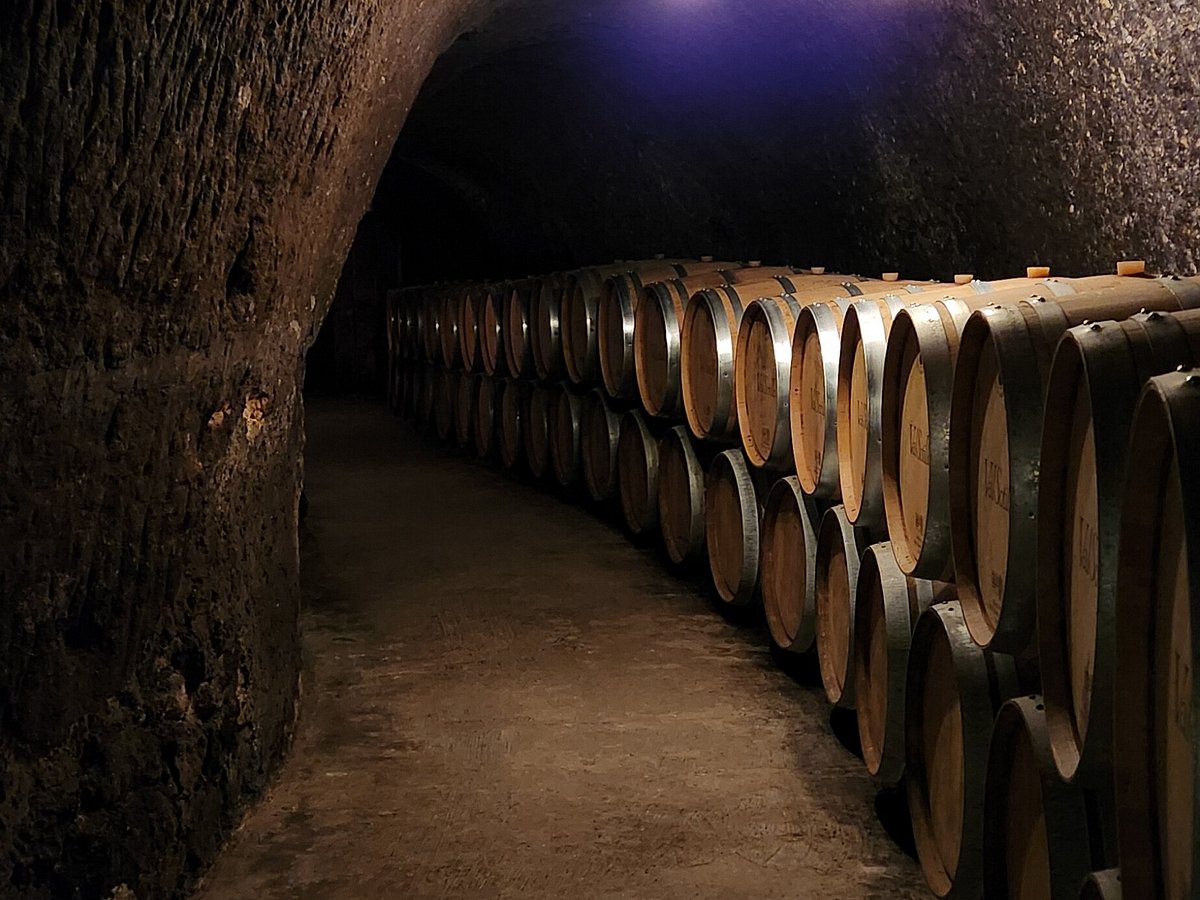
These centuries-old venues offer an authentic look at traditional winemaking and serving methods.
Explore the culinary variety showcased in the region through locally sourced ingredients.
Discover specific vintages produced by the Wineries of the Community of Madrid.
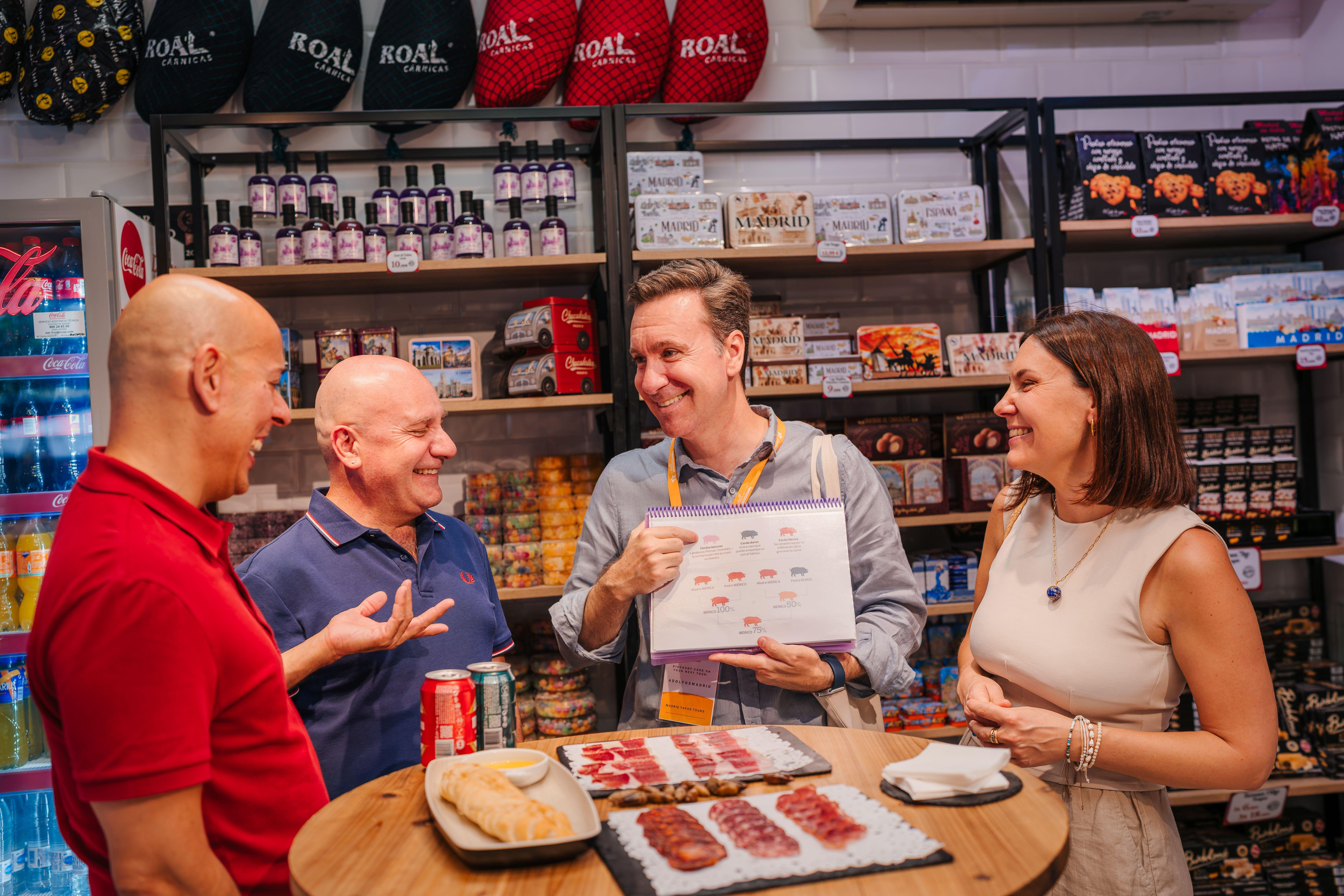
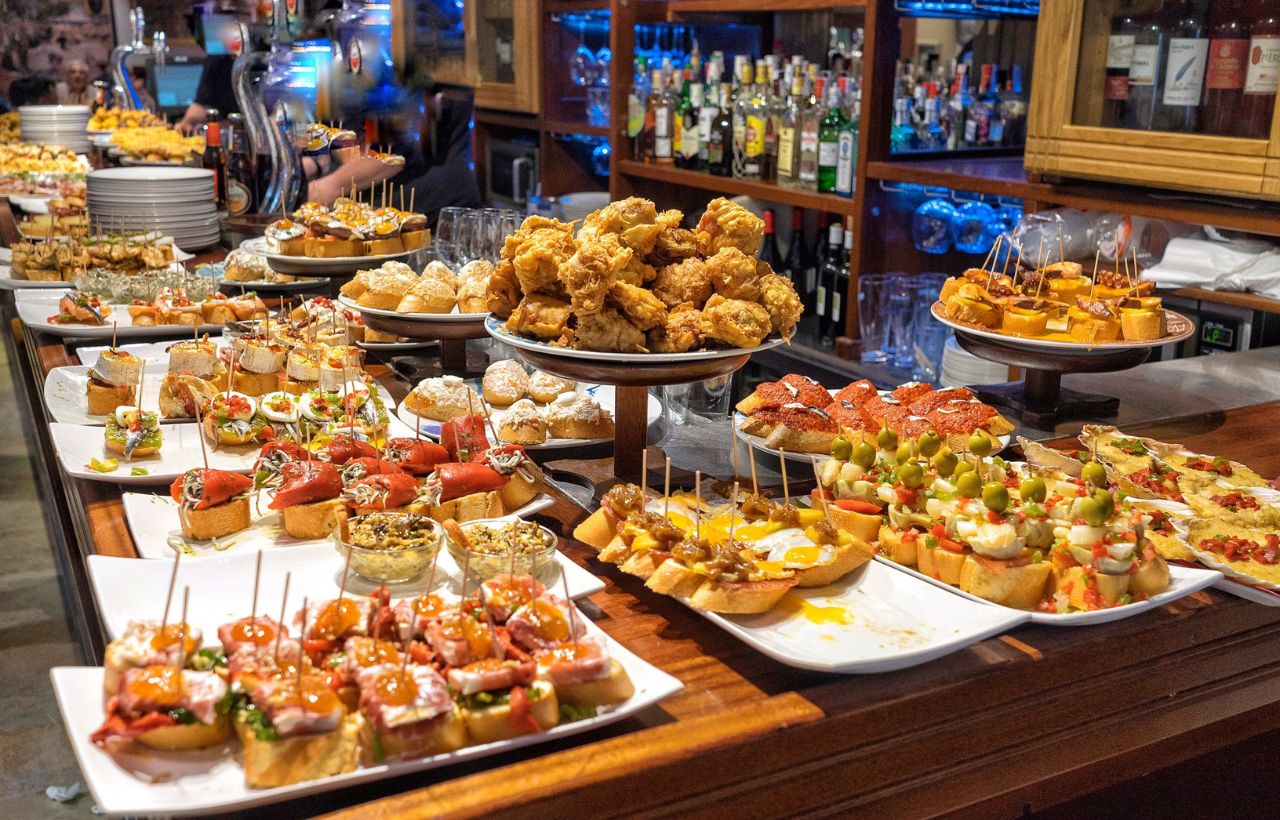
Sample small plates that represent the heart of Spanish dining culture.
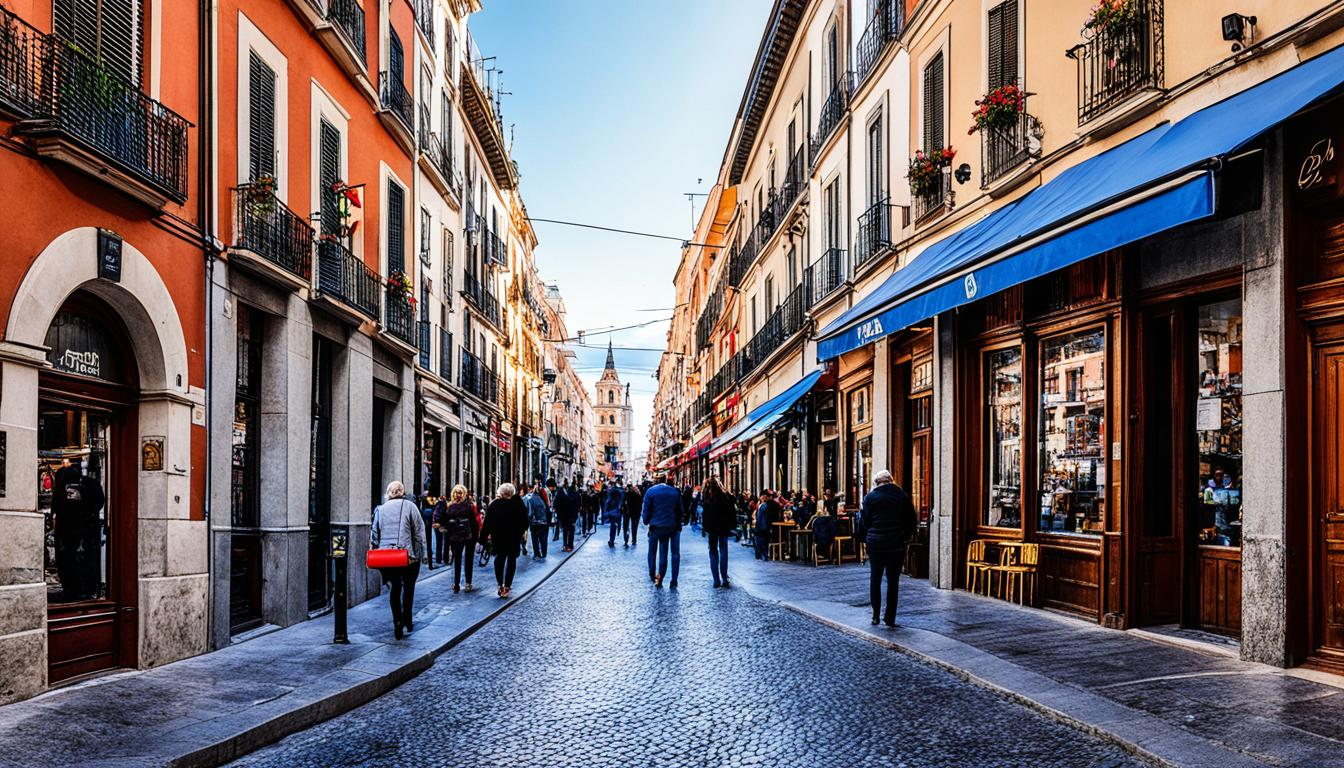
Navigate the ancient, winding streets that define the layout of historic Madrid.
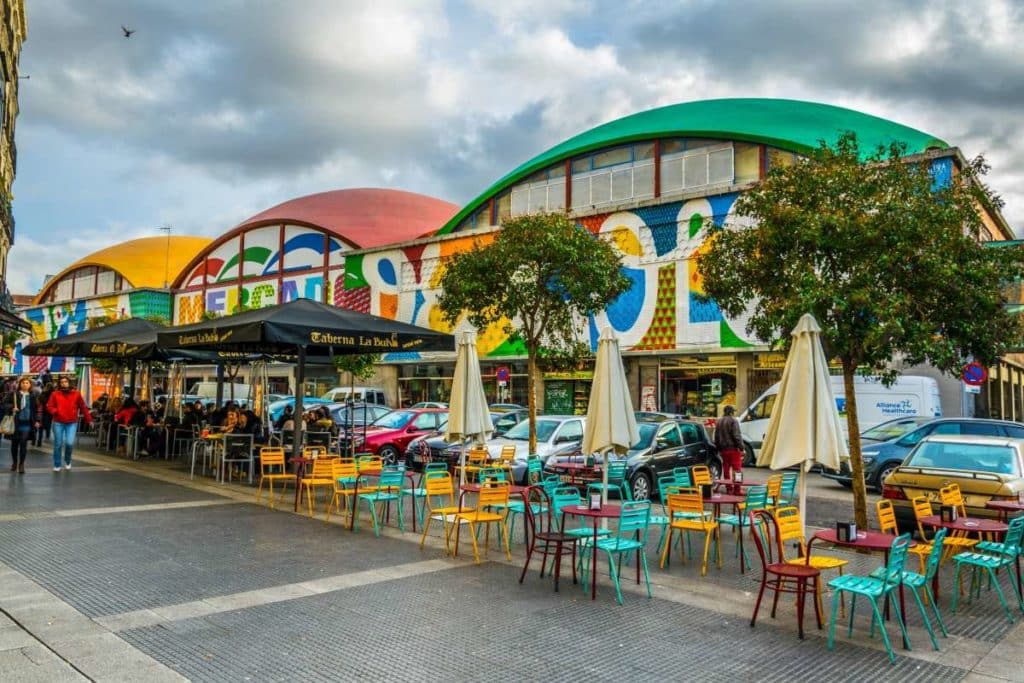
You meet your guide at Plaza de la Cebada as evening vendors fold their awnings and the first groups claim outdoor tables.
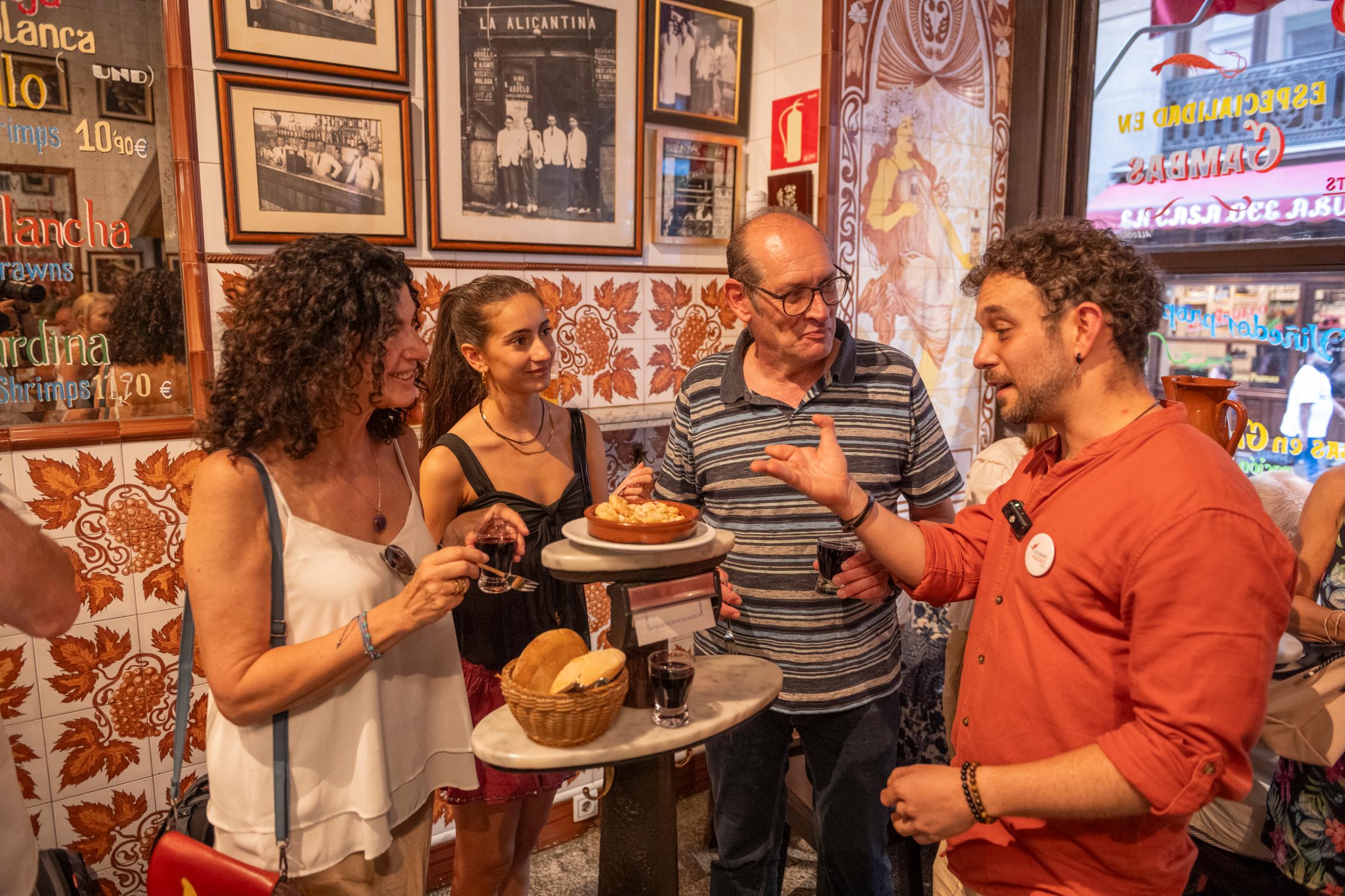
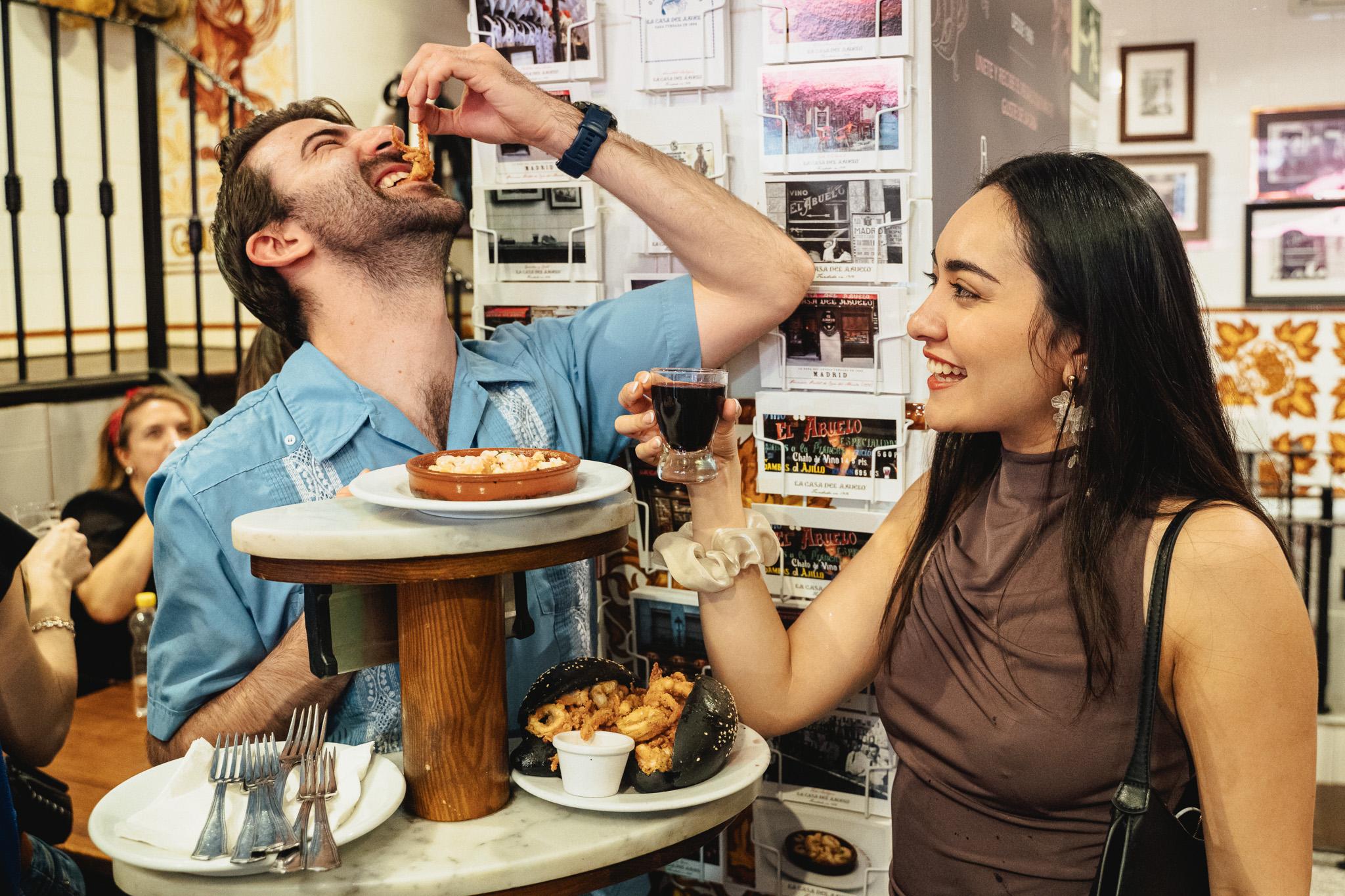
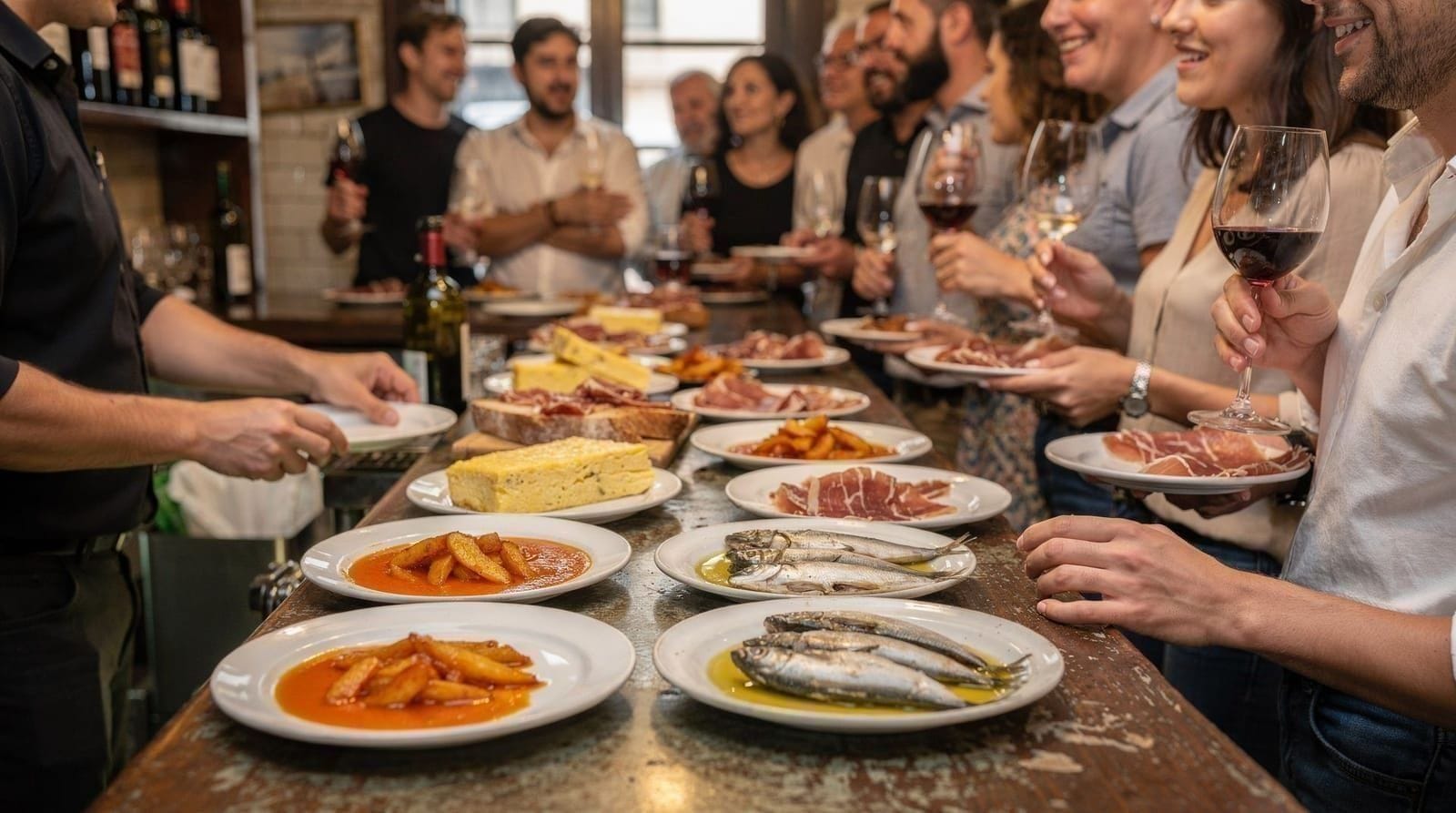
The walk begins on Cava Baja, where you step into a tiled taberna unchanged since 1906 — your first tapa arrives on a small earthenware plate, perhaps garlicky gambas al ajillo or a wedge of tortilla española, paired with a glass of Albillo Real from a nearby bodega in Navalcarnero. Your guide explains the verb "tapear," the art of moving between bars rather than settling, and you follow that logic to a second stop two blocks north.
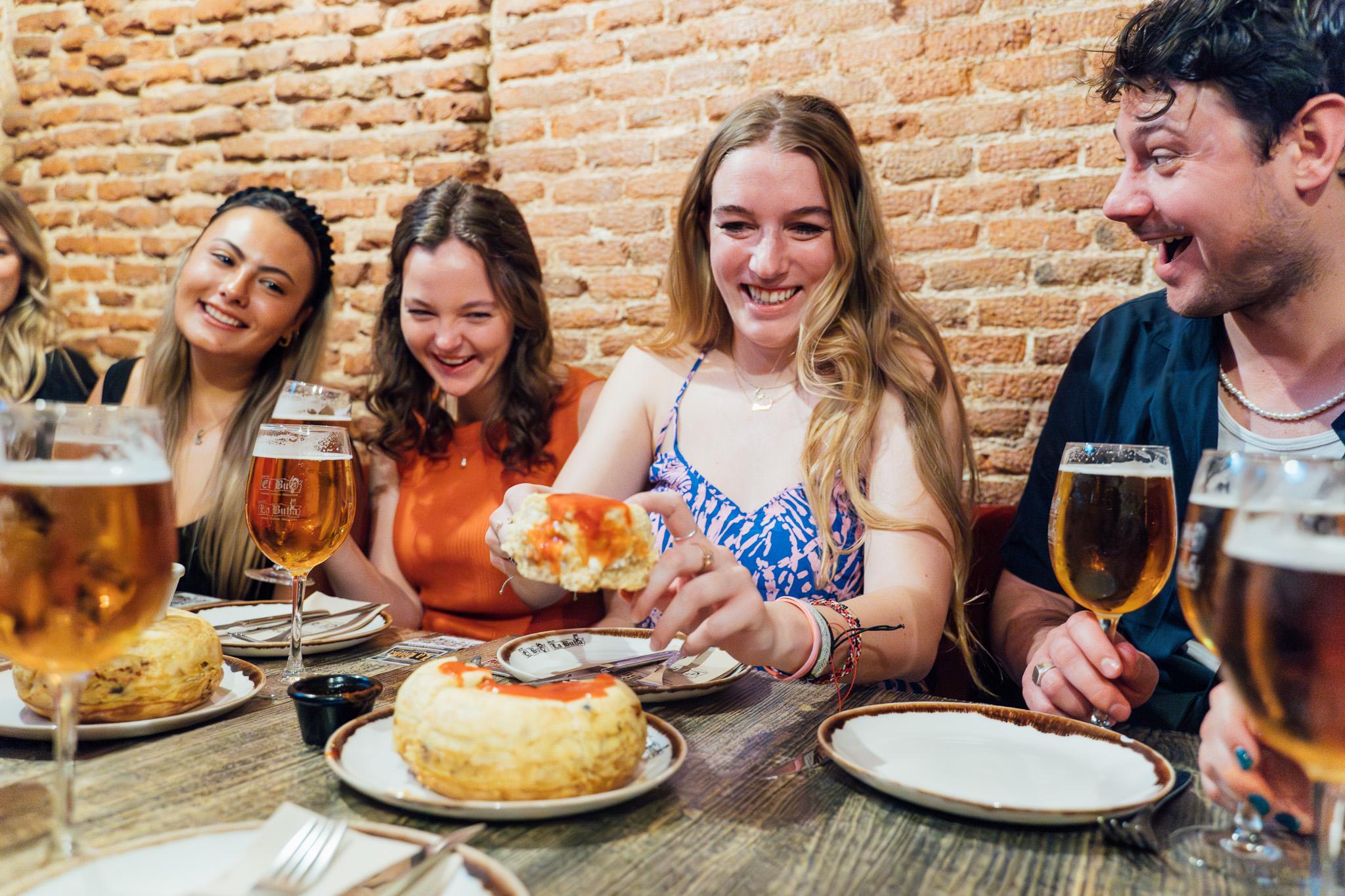
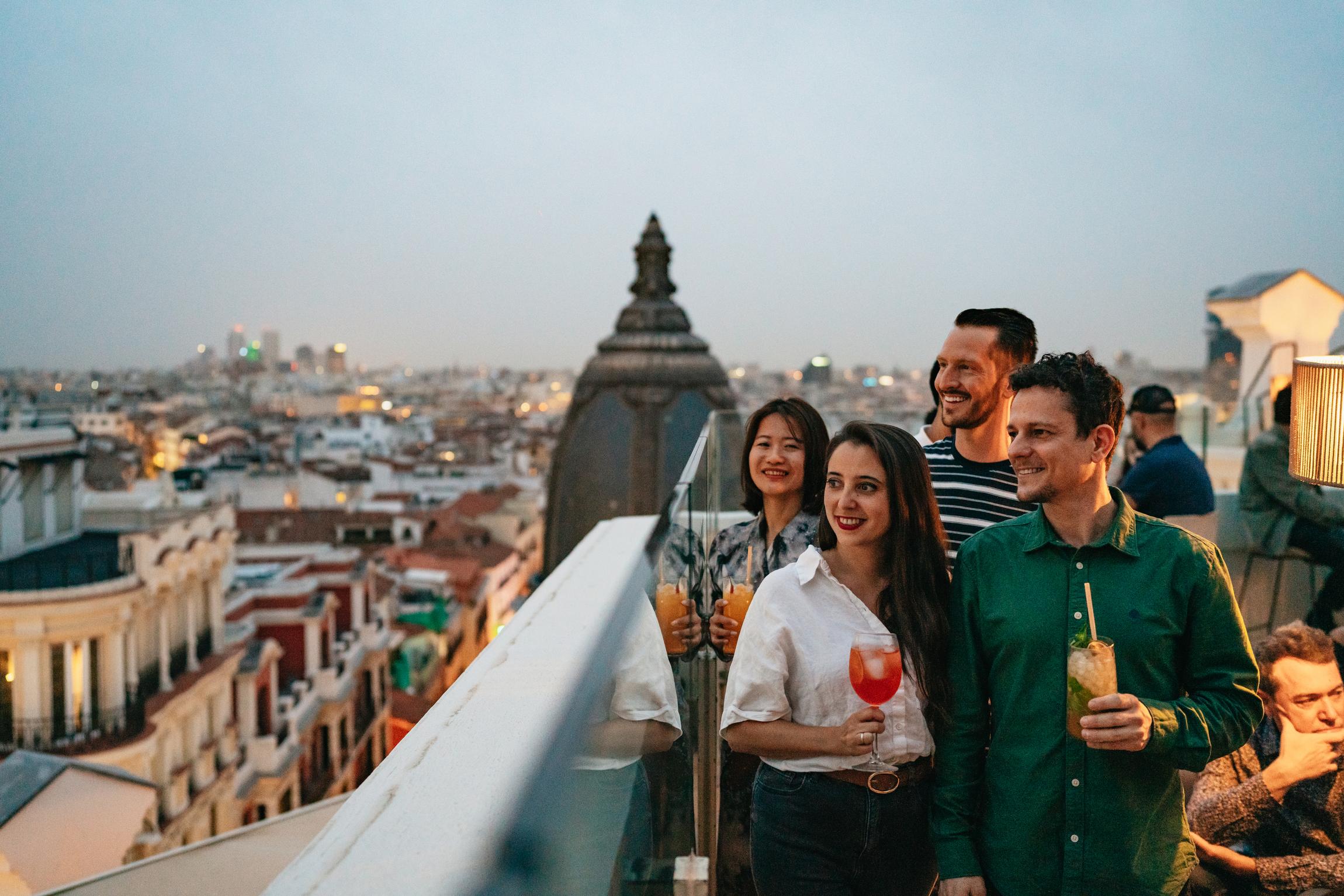
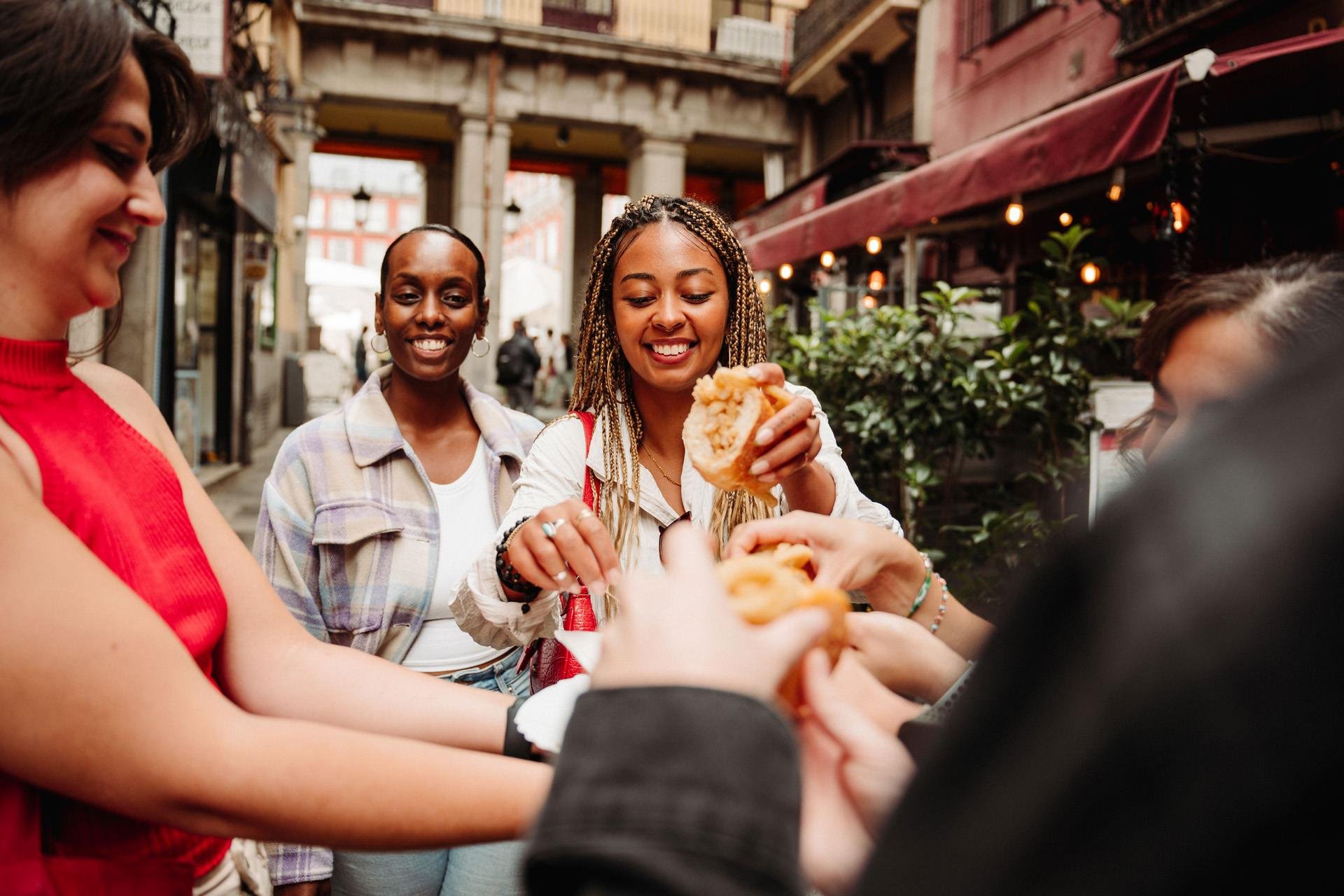
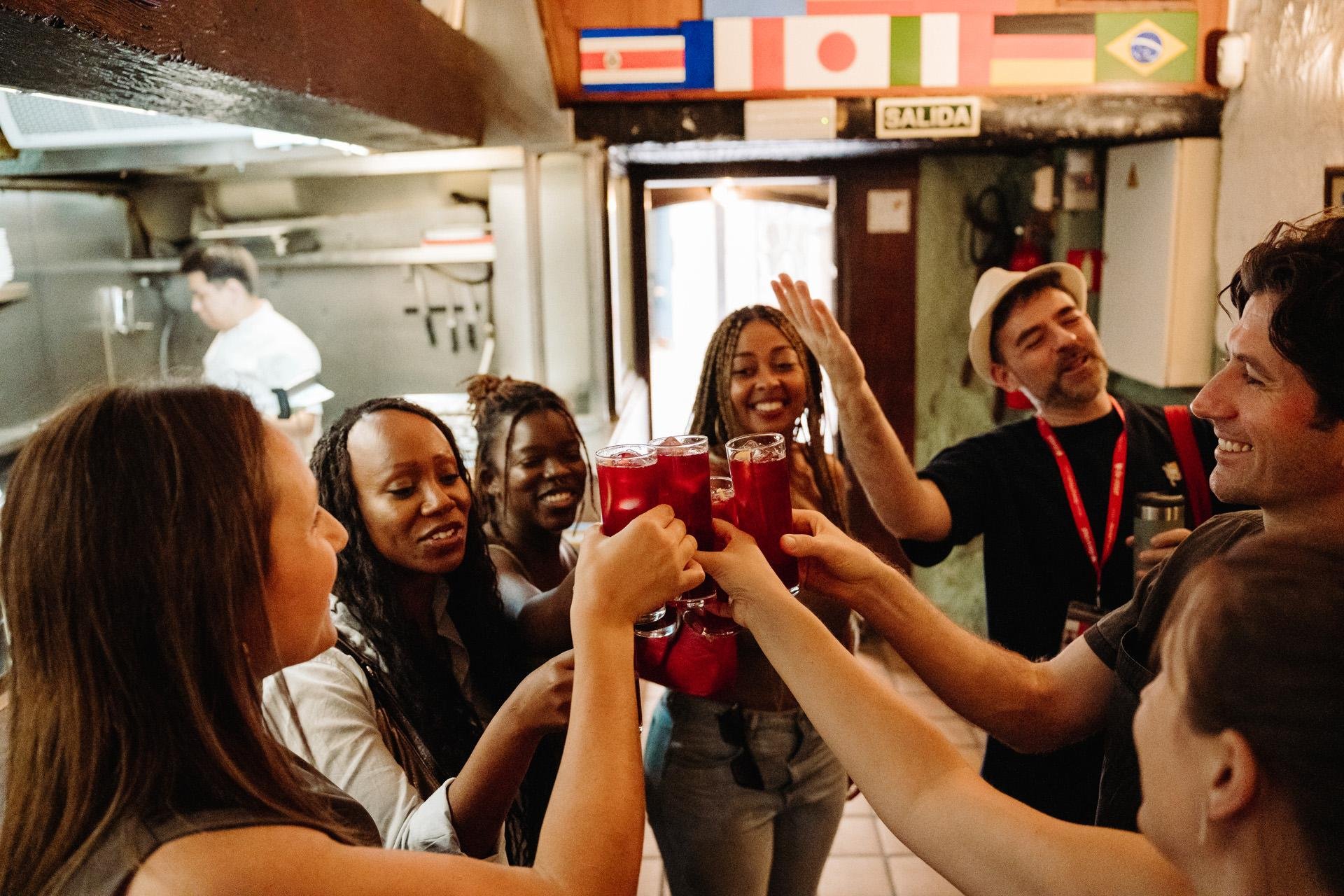
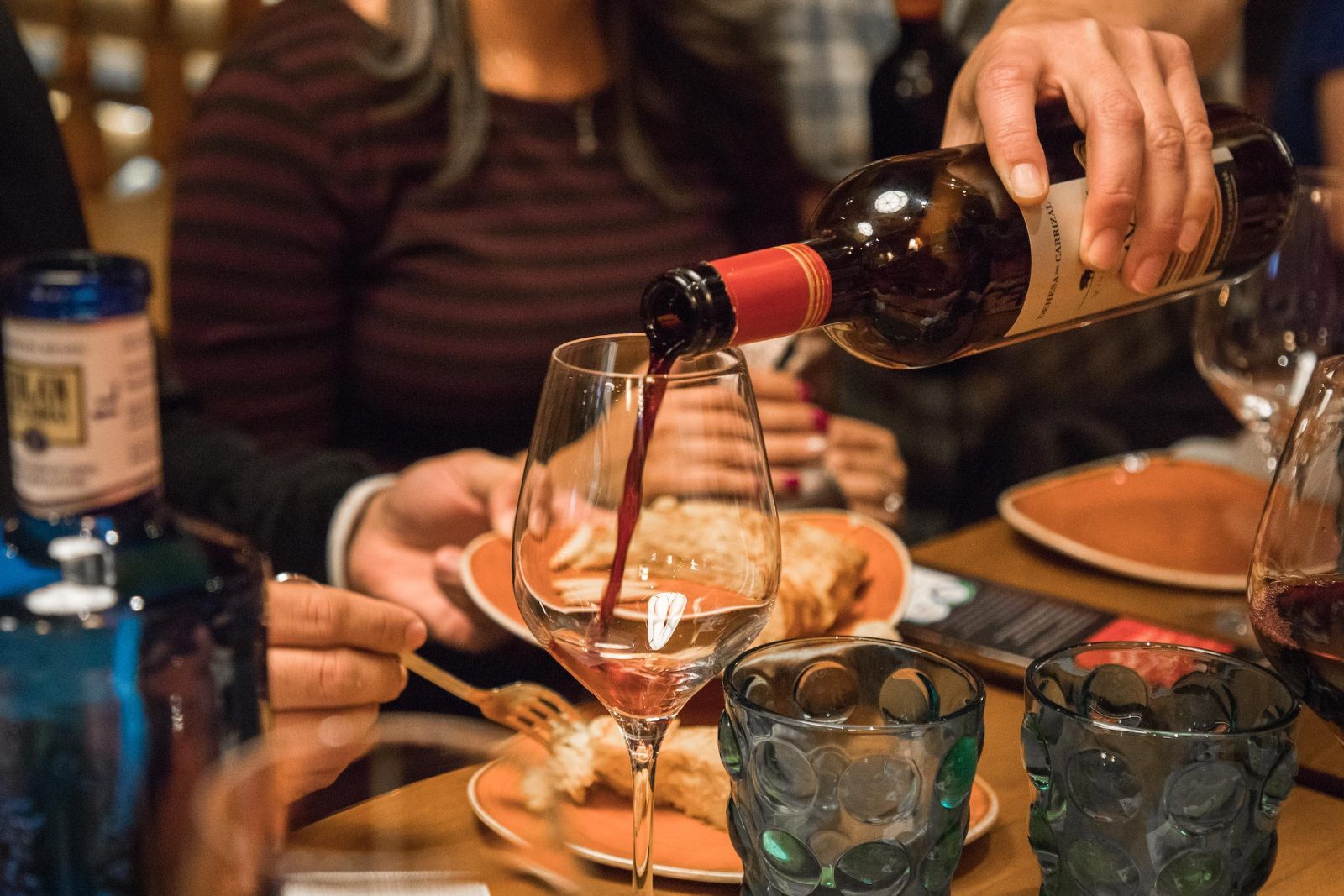
At each tavern you taste a different preparation — slow-braised oxtail, Padrón peppers blistered in sea salt, croquetas that crack open to béchamel — and a corresponding wine, often poured directly from a barrel or a Vermouth tap older than your grandparents. By the third stop you have learned to lean against the bar Madrid-style, one foot on the brass rail, and to fold your napkin into the rhythm of conversation. The tour closes on a rooftop terrace overlooking the terracotta cityscape, where you sip a final copa of Tempranillo as the sky shifts from violet to indigo and the dome of San Francisco el Grande catches the last light.
All the details about your upcoming adventure in one place
La Latina's maze of cobbled alleys holds taverns that predate Spain's constitutional monarchy, their zinc counters worn smooth by two centuries of elbows and wine glasses.
The neighbourhood emerged as Madrid's mercantile heart in the 1500s, clustered around the now-vanished city gate that bore Beatriz Galindo's epithet — La Latina, tutor to Isabel I's children and patron of a hospital whose Gothic chapel still anchors Plaza de la Cebada. By the 1800s, the district's basement bodegas were aging Tempranillo in clay tinajas while street-level tabernas served sliced jamón and boquerones to everyone from royal couriers to Goya, who kept a studio three blocks north.
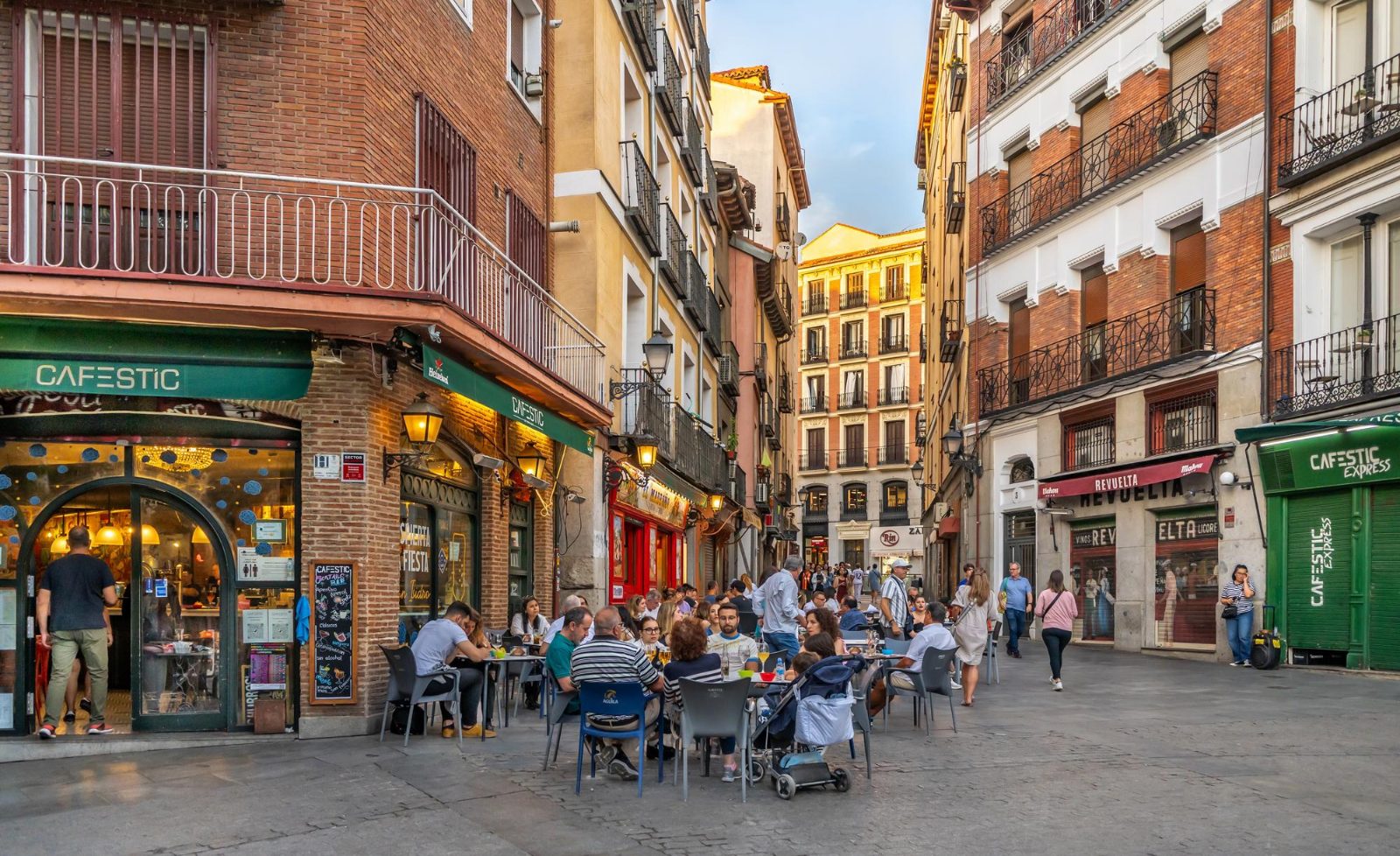
Today La Latina functions as Madrid's most concentrated tapas ecosystem, with 19th-century establishments like Casa Lucas and Taberna Txakolina operating beside modern wine bars that spotlight Denominación de Origen Vinos de Madrid labels — the region's crisp Albillo Real and structured Garnacha grown in the Guadarrama foothills 40 kilometers west. A Madrid wine and tapas tour typically winds through Cava Baja and Calle Almendro after 19:00, when locals claim bar stools for the paseo de tapas, a roving dinner that substitutes breadth for courses. The ritual reflects Spain's late dining schedule and the capital's resistance to tourist-district homogeneity; authentic tabernas still serve patatas bravas with house-recipe salsa, not bottled aioli, and pour Vermouth de grifo from oak barrels tapped that morning.
The architecture frames the ritual: most taverns occupy ground floors of Austrias-era tenements, their tile-clad facades and hand-painted signs protected under municipal heritage codes since 1997. Inside, ceramic azulejos depict bullfighting scenes or Andalusian landscapes, while overhead jamones cure in the dry Madrid air. Wine lists favor proximate appellations — Ribera del Duero, Toro, Rueda — but knowledgeable sommeliers increasingly champion Madrid's own resurgent viticulture, particularly the clay-soil Garnacha from San Martín de Valdeiglesias. For visitors, the district offers a working model of Spanish conviviality: standing-room crowds, shared counters, and the assumption that good wine need not cost more than three euros per glass. The experience is neither curated nor performative; it is Madrid's weeknight default, performed at the same zinc rails where 19th-century typesetters and 21st-century software developers converge over plates of jamón ibérico sliced to translucence.

The ritual reflects Spain's late dining schedule and the capital's resistance to tourist-district homogeneity.
Casual and comfortable attire is recommended for walking through the historic streets of Madrid. Comfortable footwear is essential for navigating cobblestone paths and standing in traditional taverns.
Keep personal belongings secure and close to your body in crowded areas. Avoid bringing large backpacks or bulky luggage that may hinder movement in tight tavern spaces.
Photography is generally permitted in public areas and most wine establishments. Please respect the privacy of other patrons and wait staff when taking images.
While children are welcome in many establishments, the focus is on adult-oriented wine tasting and social dining. Late evening hours may be less suitable for young children.
The historic nature of many Madrid wine and tapas tour venues means narrow doorways and limited wheelchair access. Participants with mobility concerns should verify specific venue layouts in advance.
This activity involves sampling various local delicacies and regional wines as part of a curated experience. Consumption of outside food and beverages is generally not permitted at participating establishments.
Opening hours
00:00–23:59
Address
La Latina, Madrid, Spain
Accessibility
Varies by local bodega and tavern layout
Best arrival
19:00–22:00
Region
Wineries of the Community of Madrid
Public transport · N/A · Standard metro fare
Use Metro Line 5 to La Latina station for direct access. Walking from the station to local venues takes less than 5 minutes.
Taxi · 15-20 minutes · Variable
Taxis are widely available and can drop you at the edge of the pedestrian zones. Ensure the driver knows the specific street address.
Full refunds are typically provided for cancellations made at least 24 hours in advance. No entry fee of 0 EUR applies for walking routes, though third-party booking terms apply to individual tastings.
Recommended time
2-3 hours
A madrid wine and tapas tour through La Latina typically runs 2 to 3 hours, covering three to four bars or bodegas with a tapa and a wine or vermouth pour at each stop. Budget 25-35 minutes per venue since ordering, pouring, and standing-room chatter at the bar all eat into the clock, and add 30 minutes if the group lingers over a sit-down ración. Queue reality matters most after 20:00, when popular bars in La Latina fill with locals and a short wait at the counter is normal even with a guide. Arriving right at opening or booking the first evening slot keeps momentum steady between stops rather than stalling at a packed bar.
Weather · crowds · average price — dots go green to amber to red as each metric rises.
September and October offer mild temperatures perfect for strolling between stops. The harvest season in nearby wineries provides unique opportunities for seasonal tasting events.
Indoor tavern culture thrives during cooler months. Fewer tourists allow for a more intimate madrid wine and tapas tour experience.
Pleasant weather encourages late-night outdoor social dining. Street festivals often coincide with vibrant local nightlife.
Evenings remain warm and lively until late. Expect high activity levels during July and August nights.
Visit on a Tuesday or Wednesday to experience a more relaxed atmosphere at local bars. Weekends in La Latina can become very busy with local crowds.
Familiarize yourself with basic Spanish terms for food and drink. This enhances your madrid wine and tapas tour experience with local staff.
The best arrival window is 19:00–22:00 to see the venues at their peak. Arriving earlier might result in finding some kitchens closed or staff preparing for service.
Wear layers as temperatures can change between bustling indoor taverns and the evening air. Cobblestone streets are unforgiving on heels.
Drink plenty of water between wine tastings. It helps you pace your experience throughout the evening.
Madrid's wine culture predates its status as capital, rooted in the medieval villages that once dotted the plateau south of the Guadarrama mountains. By the sixteenth century, when Felipe II established the royal court in 1561, the surrounding countryside already supported modest vineyards supplying the growing population. The Community of Madrid's viticulture suffered through phylloxera in the 1890s, which decimated European vines and forced growers to replant with resistant American rootstock. Many smallholders abandoned winemaking altogether, and for decades the region supplied bulk wine to taverns rather than bottling under its own name. The practice of serving small plates with drinks emerged from practical necessity in nineteenth-century Madrid. Innkeepers covered wine glasses with slices of bread or cured meat to keep flies out, a gesture that evolved into the tapa. By the early twentieth century, neighborhoods like La Latina and Lavapiés hosted dozens of tabernas where workers gathered after shifts, ordering a caña and receiving a complimentary bite. The madrid wine and tapas tour tradition formalized only after Spain's transition to democracy in the late 1970s, when renewed interest in regional cuisine elevated casual eating into a cultural ritual. Modern madrid wine and tapas tour experiences reflect both revival and reinvention. The Denominación de Origen Vinos de Madrid, established in 1990, organized the region's scattered producers into three sub-zones and raised quality standards. Small bodegas in towns like Arganda del Rey and Navalcarnero began opening tasting rooms, while central Madrid's traditional tapas bars adapted to tourism without abandoning local custom. Today's tours bridge urban taverns serving vermouth and conservas with rural wineries producing Tempranillo and Malvar, connecting the capital's streetside culture to the vineyards that quietly persisted through decades of neglect and are now reclaiming their place in Spain's wine landscape.
Felipe II moves the royal court to Madrid, increasing demand for wine from surrounding villages
Phylloxera epidemic destroys regional vineyards, forcing replanting with American rootstock
Tabernas in La Latina and Lavapiés popularize the custom of serving tapas with drinks
Democratic transition sparks renewed interest in regional cuisine and the tapear tradition
Denominación de Origen Vinos de Madrid established, organizing producers into quality sub-zones
Rural bodegas open tasting rooms, linking urban tapas culture with Community of Madrid wineries
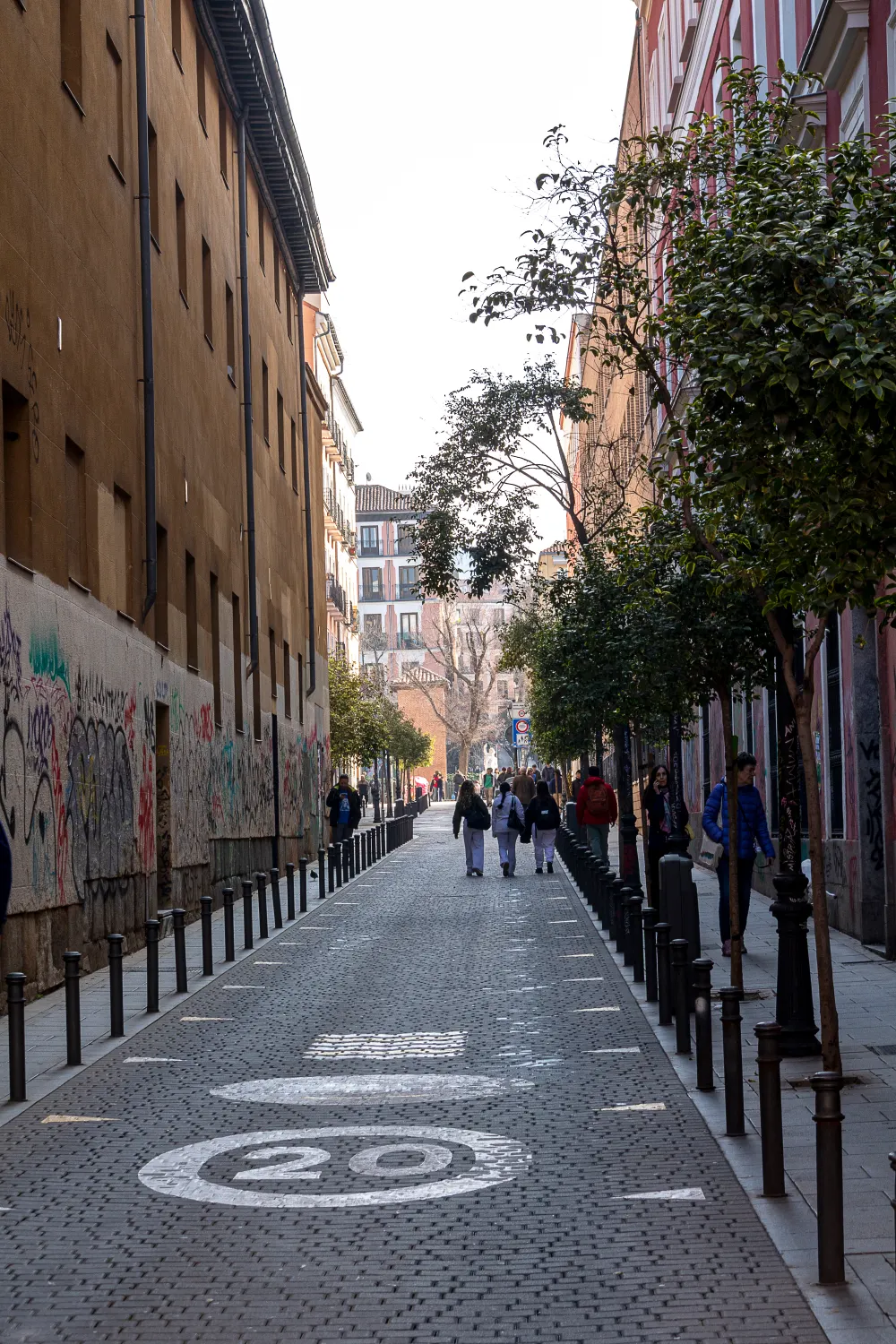
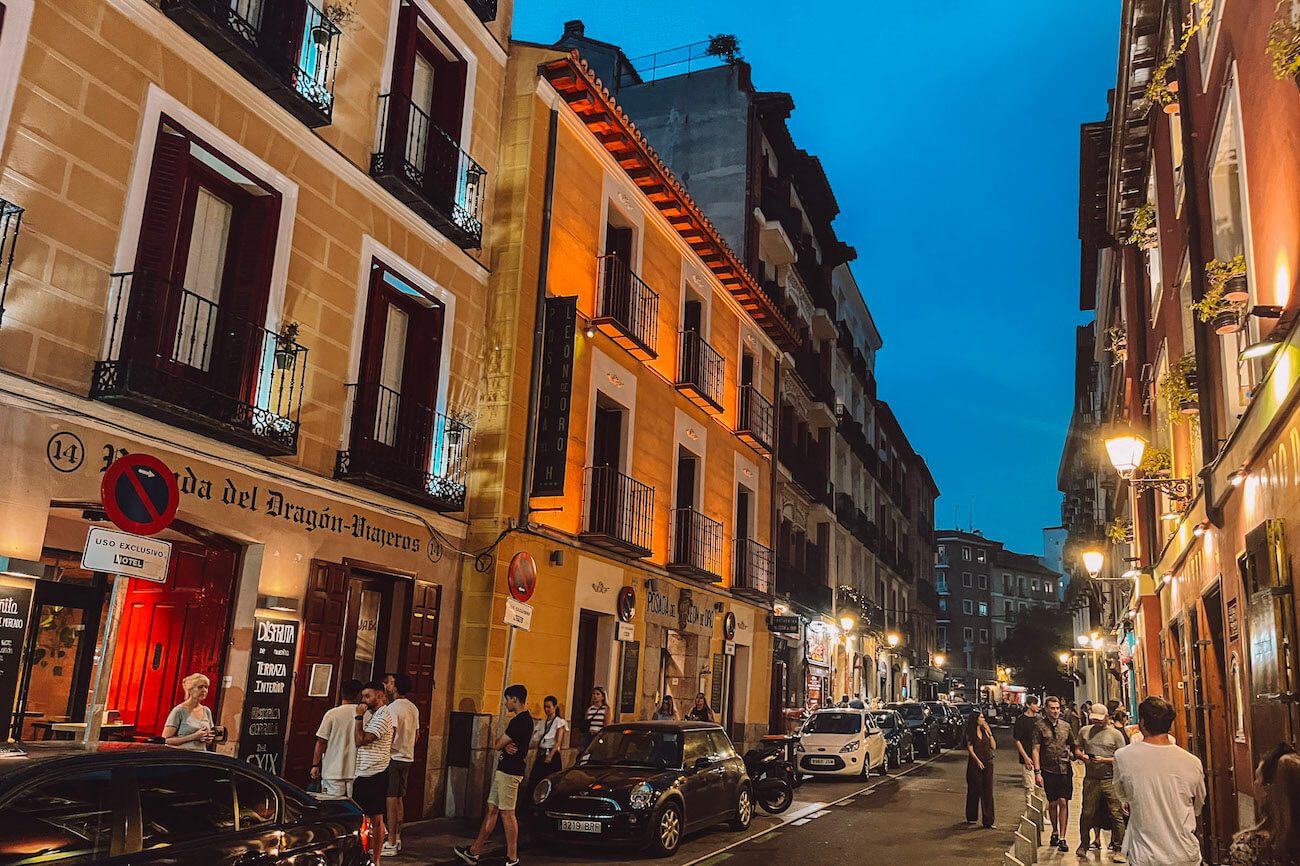
Stand at the northern end of this iconic street to capture the dense concentration of historic tavern facades and warm evening lighting. This location is central to any madrid wine and tapas tour where the architecture reflects the traditional spirit of local viticulture.
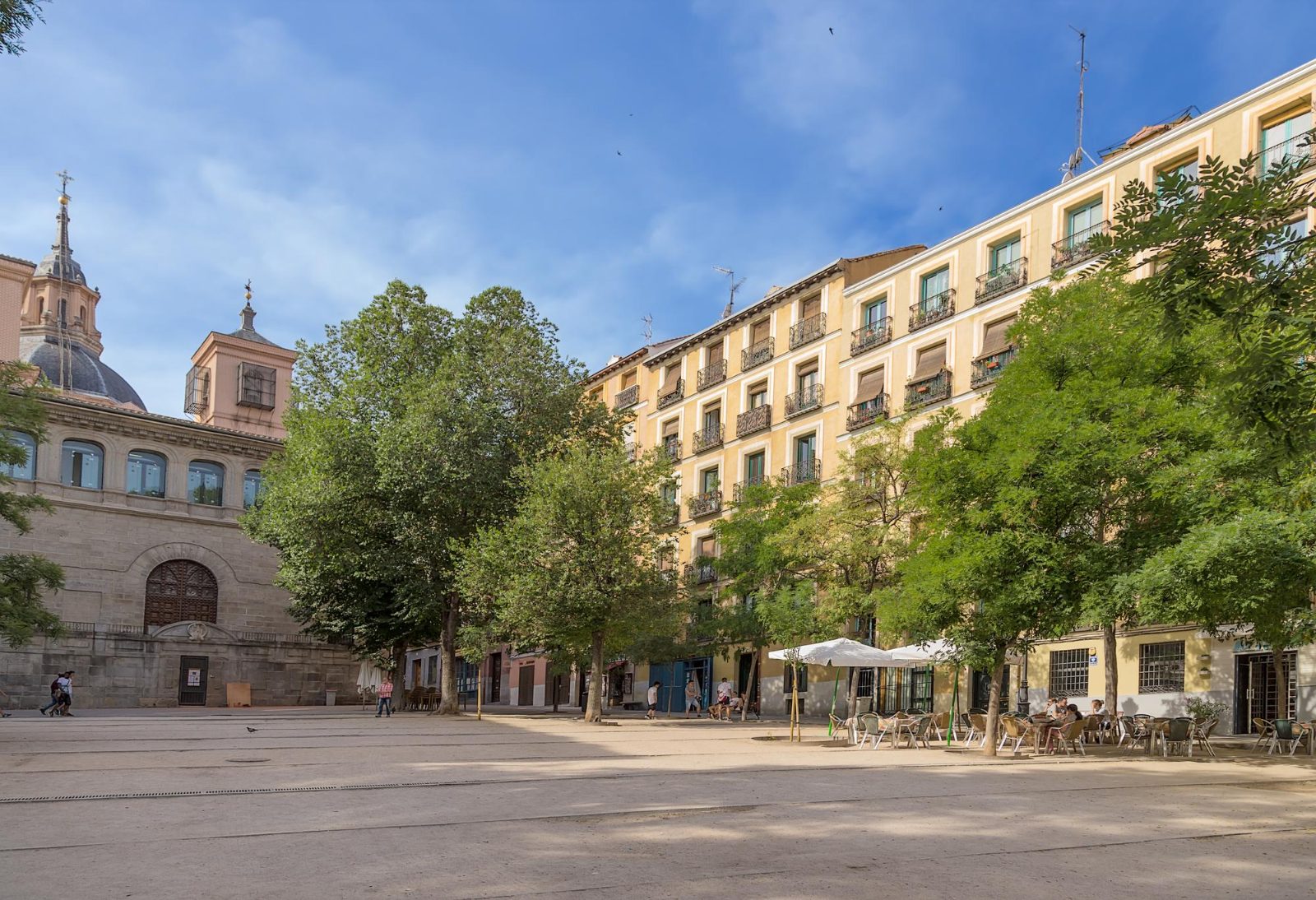
Position your camera from the elevated corner of the square to frame the historic buildings against the twilight sky. It provides a quiet vantage point to photograph the transition from day to night near the route of madrid wine and tapas tour tours.
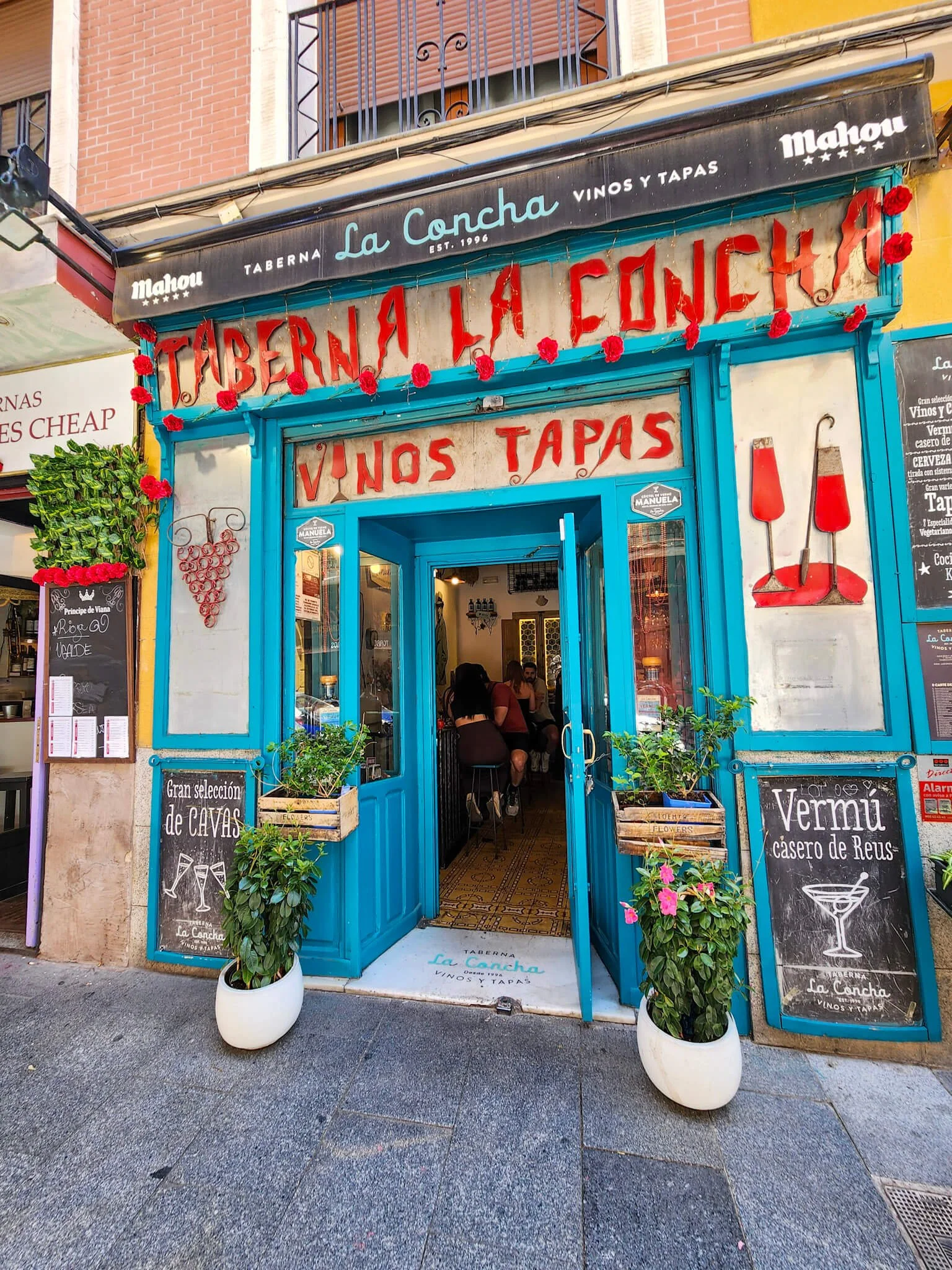
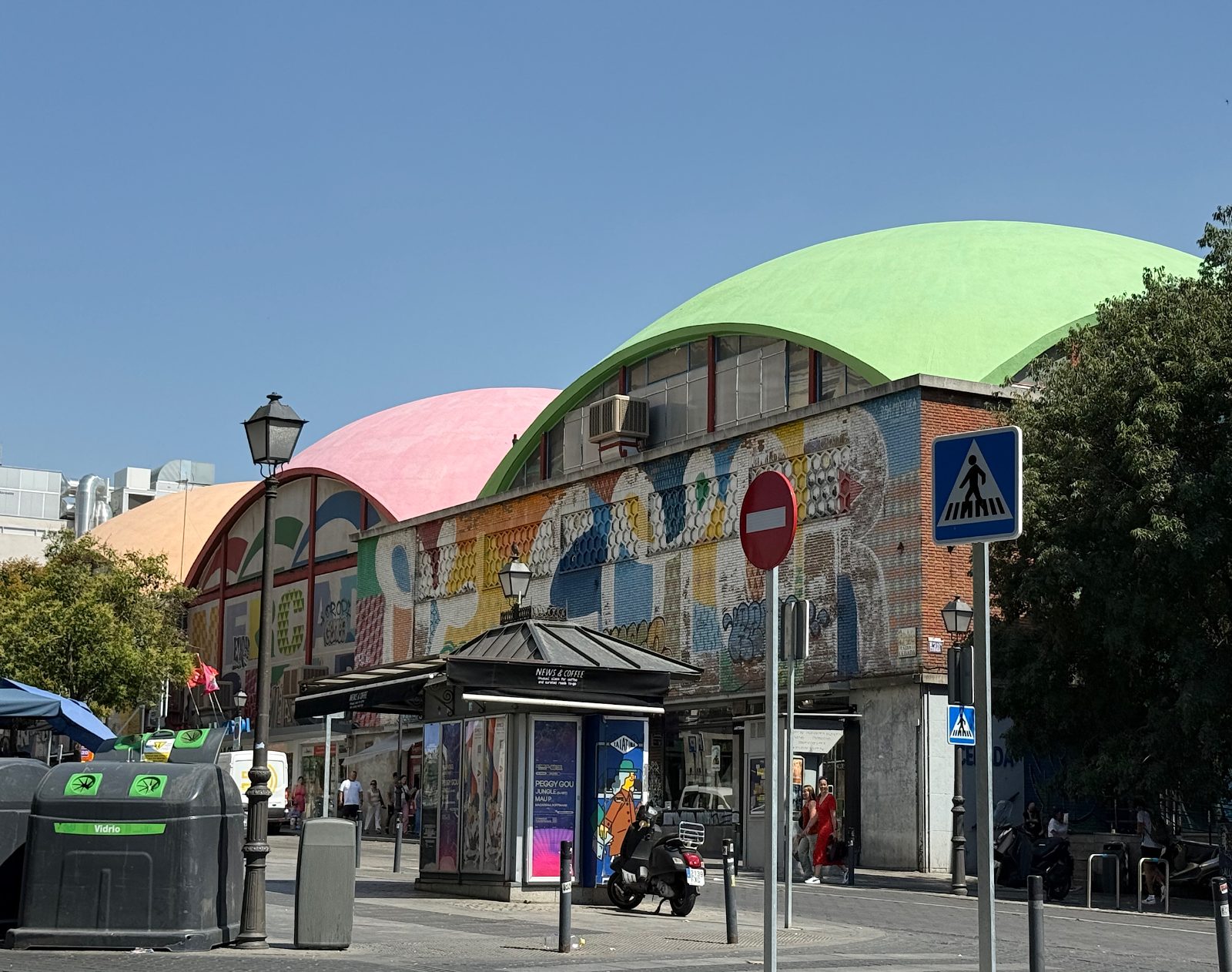
Capture the vibrant, colorful exterior mural work and the bustling entrance that signifies the lifeblood of Madrid's food culture. This architectural landmark serves as a backdrop for those seeking madrid wine and tapas tour tickets to document their journey.
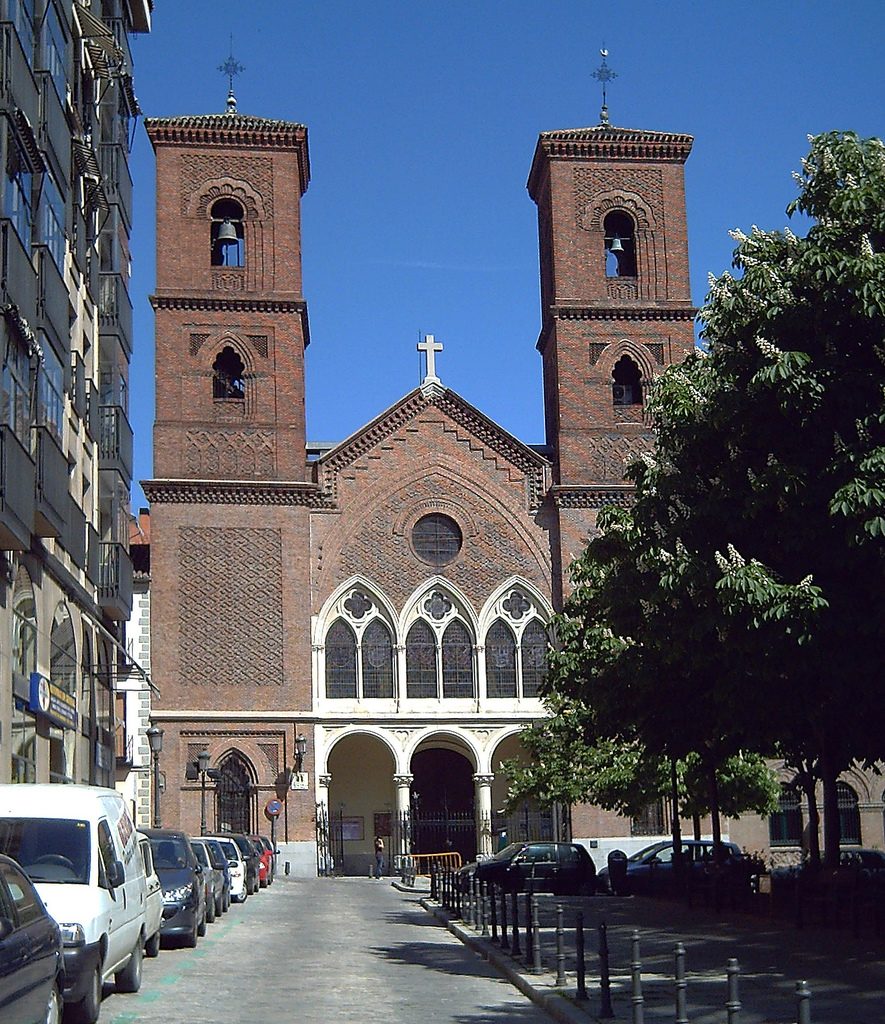
Frame the unique Mudejar-style brick bell tower from the street level below to contrast historical heritage with modern street life. This site highlights the atmosphere encountered during an authentic madrid wine and tapas tour tour.
Exploring the vibrant culinary landscape through a madrid wine and tapas tour offers families a chance to experience the authentic bustle of local taverns. Navigating the historic streets of La Latina provides a genuine cultural immersion for visitors of all ages.
The cobblestone streets of La Latina can be challenging for strollers, so a lightweight carrier is often more practical for navigating the narrow sidewalk areas. Most venues are compact and best suited for folding pushchairs if you must bring one along during your madrid wine and tapas tour tours.
While this area welcomes families, it is most enjoyable for school-aged children who can appreciate the sensory experience of local gastronomy and bustling plazas. Younger children may find the evening crowds overwhelming, making this an ideal activity for families with older kids interested in a madrid wine and tapas tour tour.
Public restrooms are not universally available in every small tavern, so plan your stops around larger establishments or central plazas. Keep in mind that securing madrid wine and tapas tour tickets does not guarantee dedicated baby-changing stations in these historic settings.
The best arrival window is 19:00–22:00, though this late schedule may require a flexible nap or rest plan for younger participants earlier in the day. Given that there is 0 EUR entrance fee for city walking tours, you are free to set your own pace and exit an establishment whenever the energy levels of your children dictate.
La Latina is the heart of the local gastronomy scene, offering visitors the opportunity to experience a authentic madrid wine and tapas tour near the historic center. Exploring these traditional taverns is the ideal way to sample regional Vinos de Madrid alongside classic small plates.
Famous for its huevos rotos, this landmark restaurant remains a staple for those seeking a traditional culinary experience. It is often a key stop on madrid wine and tapas tour tours to showcase iconic Spanish preparation.
This cozy spot is celebrated for its extensive selection of vermouth and artisanal snacks. It is a frequent highlight for guests seeking madrid wine and tapas tour tickets to explore the local bodega culture.
Known for creative tapas pairings, this venue offers a contemporary twist on classic flavors. Visitors often conclude their madrid wine and tapas tour tour here to enjoy high-quality local pours in a lively atmosphere.
Everything you need to know for your journey
Venues in La Latina are open 00:00–23:59, though optimal activity occurs in the evening. Most specific tour schedules align with local dining habits.
The entrance fee is 0 EUR for city walking tours, but individual tapas and wine costs vary by establishment.
Children are welcome, though the experience centers on wine culture and social nightlife. Late evening hours may be better suited for adults.
The best arrival window is 19:00–22:00 to enjoy the vibrant atmosphere of the wineries of the community of madrid.
Booking madrid wine and tapas tour tickets in advance is recommended to ensure your spot on popular guided experiences.
You can take Metro Line 5 to La Latina station, which is the heart of the area where your madrid wine and tapas tour will take place.
Yes, photography is permitted in most public areas. Please be respectful of others during your madrid wine and tapas tour.
Accessibility varies by venue; many historic taverns have limited space and may not accommodate wheelchairs easily.
Comfortable footwear and casual, layered clothing are best for walking through the historic streets of Madrid.
The duration for a madrid wine and tapas tour varies by provider, typically lasting between two to four hours.
A grand historic square dating back to the 17th century. It serves as a central landmark for exploring the city center.
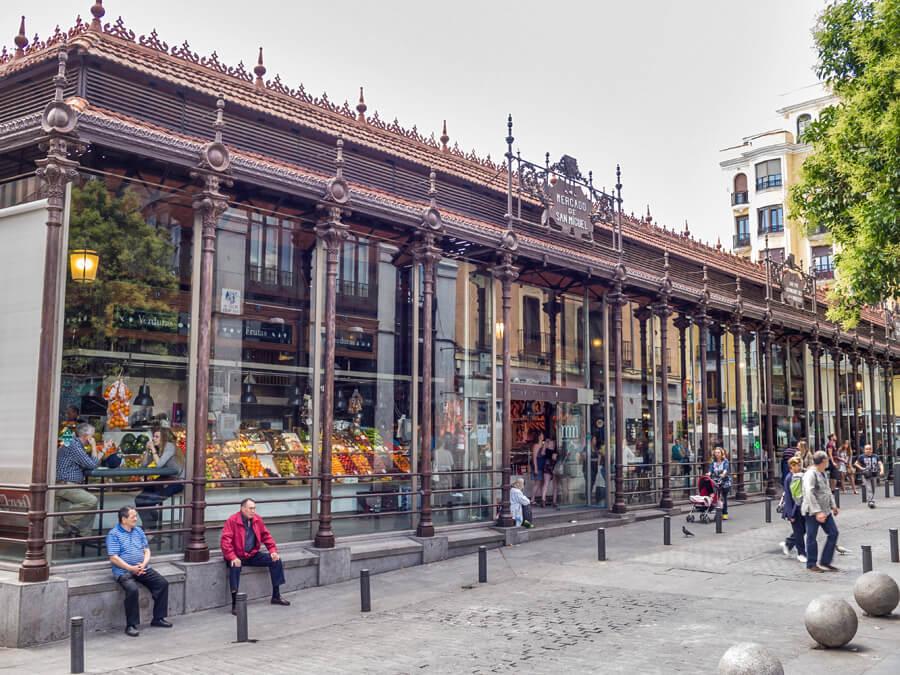
An iconic iron-structure market offering diverse culinary samples. It is a prime example of early 20th-century architecture.
The official residence of the Spanish royal family. Its expansive grounds and gardens are nearby.
A significant religious site with a mix of neoclassical and neo-gothic styles.
Historic hotel located near the heart of the city center.
Conveniently located within the district for easy access to nightlife.
A vibrant neighborhood known for its authentic taverns and tapas culture.
Join thousands of happy travelers who have discovered this incredible experience
Book Your Experience Now